

 English
 русский
 中文简体
中文简体 Español

Product Category
-
Husqvarna
-
Jonsered
-
MTD
-
STIGA
-
AYP
-
SIMPLICITY
-
John Deere
-
FERRIS
-
HUSTLER
-
CUB
-
AL-KO
-
SOLO
-
Bolens
-
Craftsman
-
Massey
-
EGO
-
PerfektGarten
-
Oleo Mac
-
Poulan
-
Troy
-
MPN
-
BadBoy
-
Bobcat
-
Bunton
-
Encore
-
Exmark
-
Gravely
-
Jacobsen
-
Oregon
-
Rotary
-
Bad Boy
-
Dixie Chopper
-
Dixon
-
Weibang
-
BOSCH
-
Castelgarden
-
VIKING
-
McCulloch
-
PowerSmart
-
Honda
-
DR Power Equipment
-
Land Pride
-
Spartan
-
Giant
-
Great Dane
-
Kees
-
Worldlawn
-
Wright Mfg
-
Yazoo
-
LastecP
-
Lesco
-
Murray
-
Ransomes
-
Woods
-
Cub Cadet
-
Castel Garden
-
Billy Goat
-
Yamaha
-
Flymo
-
Trex
-
Sabo
-
Greenworks
-
RYOBI
-
Fuxtec
-
Fieldmann
-
Scheppach
-
ETESIA
-
WOLF
-
ALO-KO
-
ALM
-
Atom
Contact Us
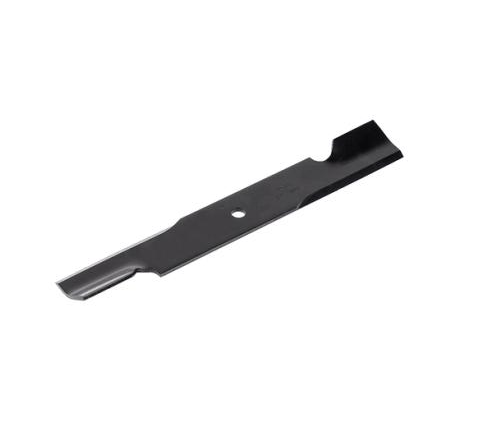
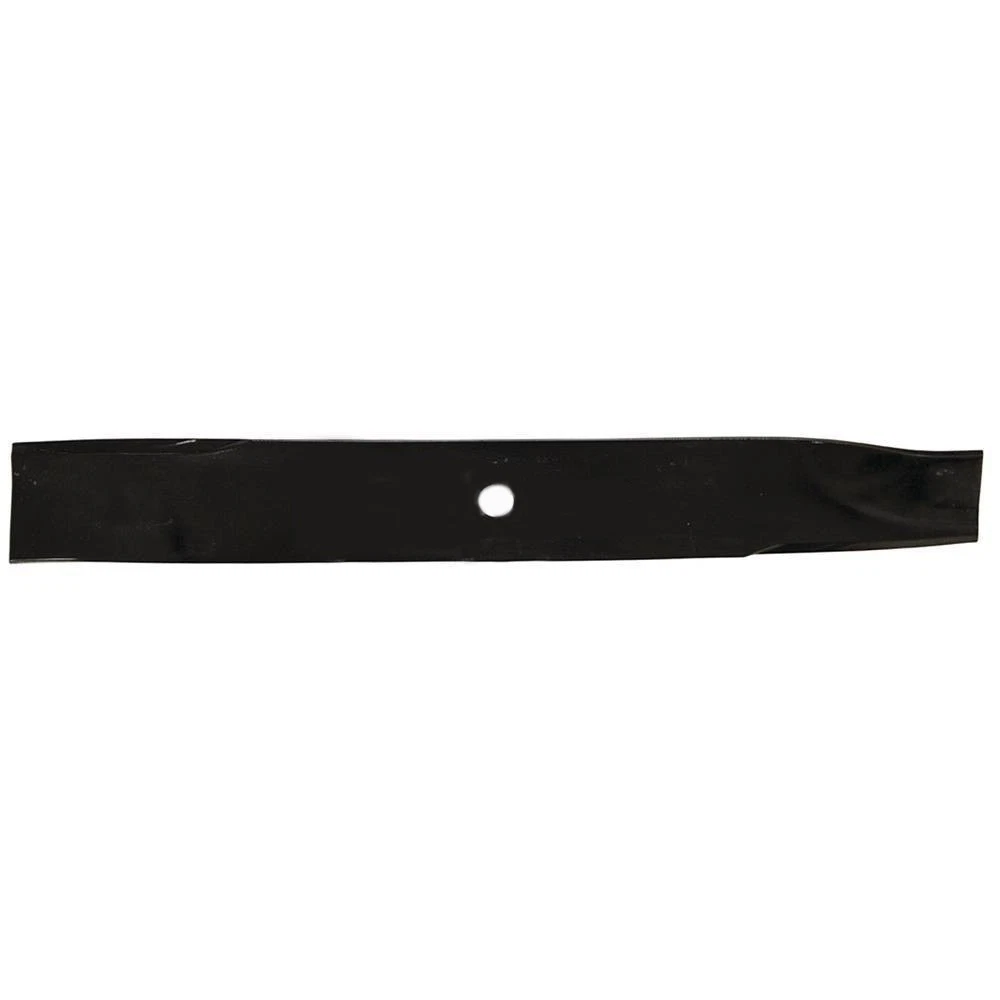
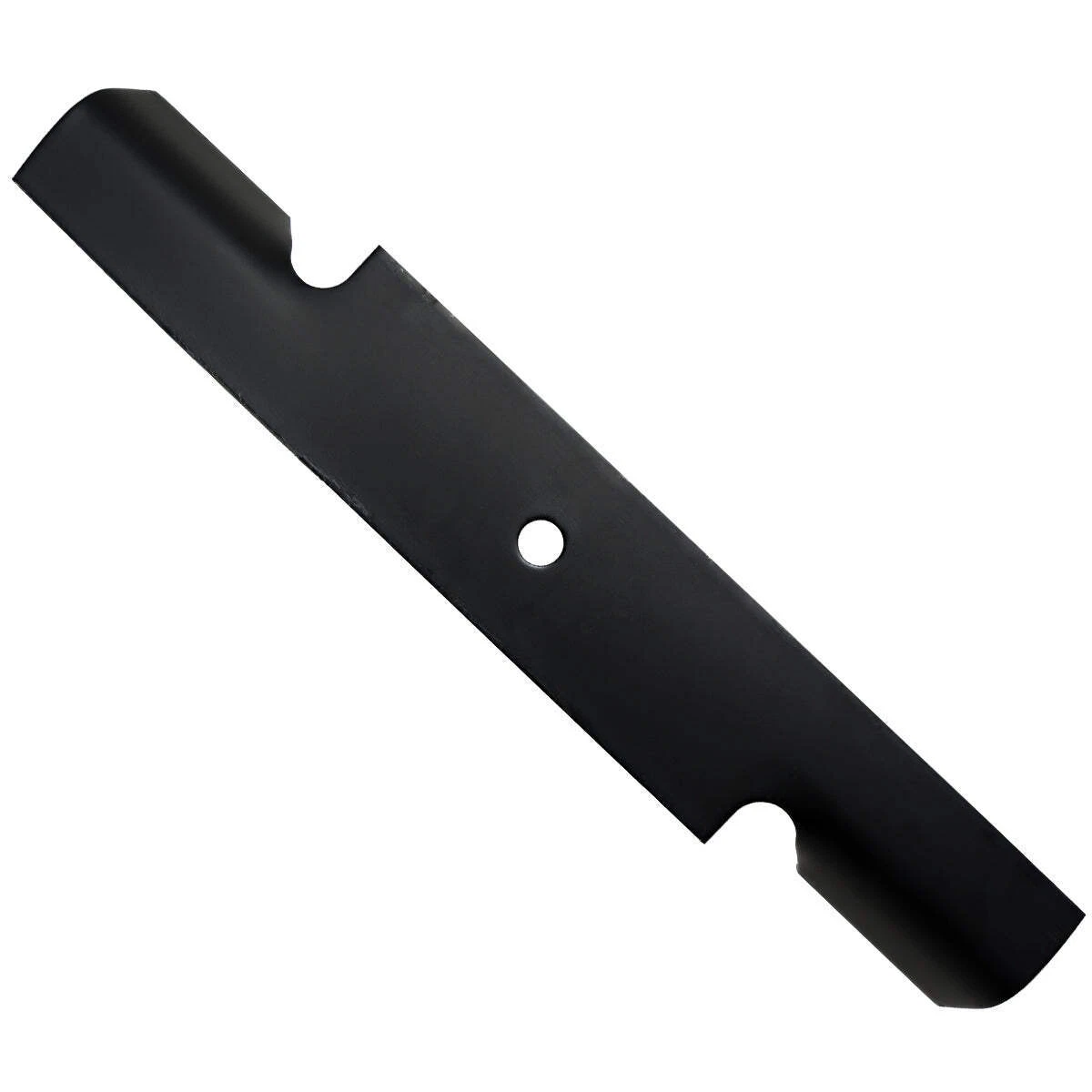
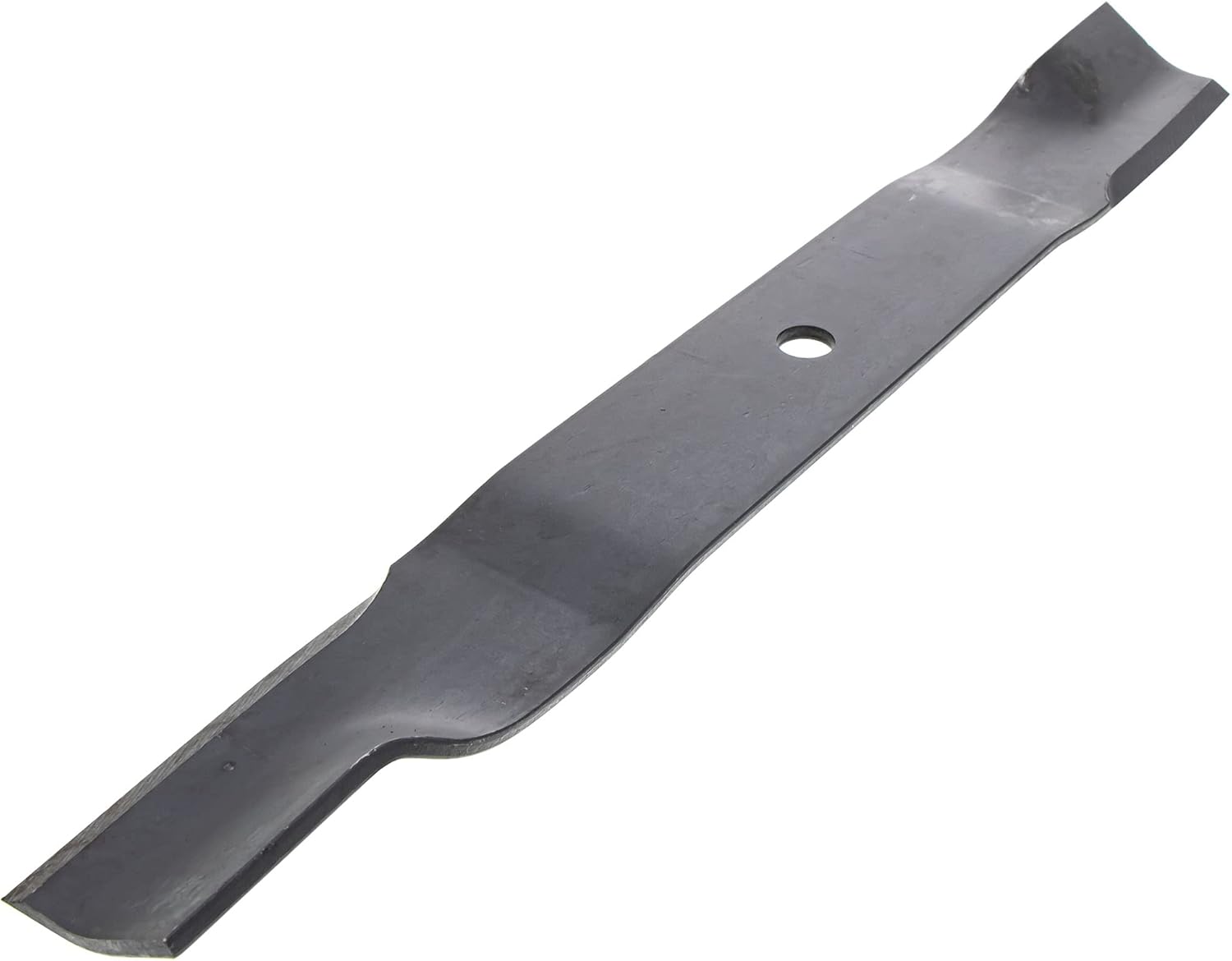
Exmark Lawn Mower Blade Manufacturers

About Boxing
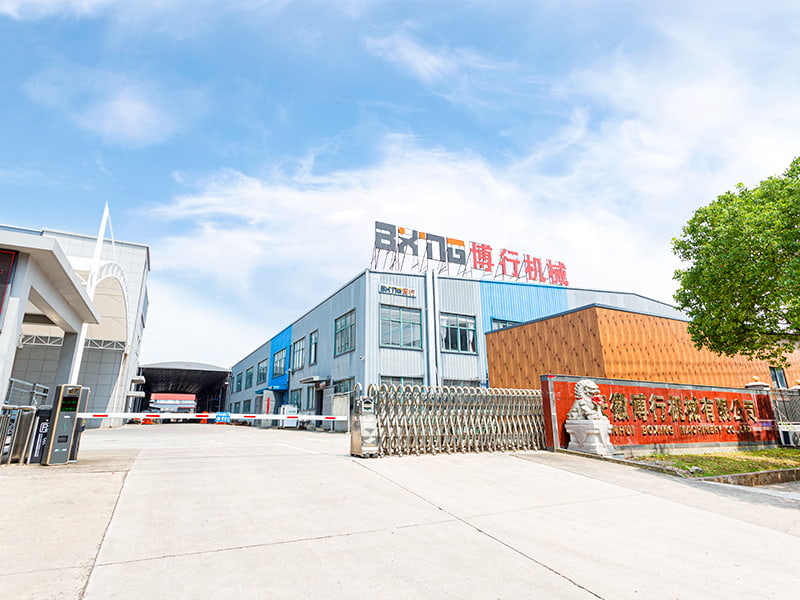
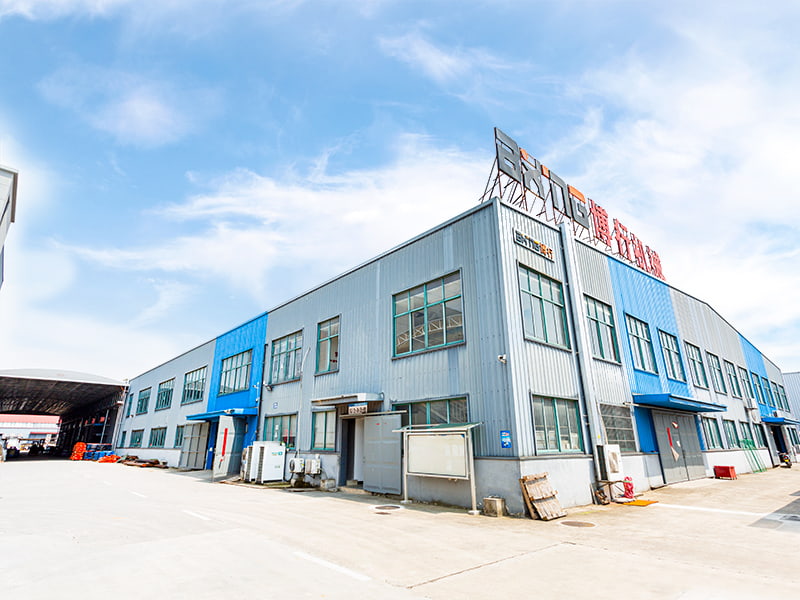
Anhui Boxing Machinery Co., LTD was founded in 2008.The company is located in North of Guo’an Road, Guangde economic development zone,Anhui province,mainly produces metal stamping parts and all kinds of garden tools.We are China Wholesale Exmark Lawn Mower Blade Manufacturers and OEM/ODM Exmark Lawn Mower Blade Company.
In the pursuit of the ultimate goal that green mountains and clear waters are invaluable assets and constantly adapt to the new demands of the market, the company began to enter the garden machinery industry since 2013.we are specializing in the manufacture and produce all kinds of garden tools and accessories, the main hedge machine blade, cutting machine blade, tea picking machine blade and other related products. We select high-quality materials with different heat treatment processes and create each tool carefully.
After countless times of grinding and testing to ensure that they are not only sharp and durable but also lightweight and comfortable.
After more than 10 years of development, the company has a strong technical reserve and strong production capacity. In the fierce market competition, the company has been relying on excellent product quality, reasonable product prices and constantly improves the product process to strengthen the ability of professional production. We put the benefits to customers and achieve excellence. Our products open the domestic market. At the same time, the garden machinery which provided by us has been exported to Europe , the United States and won the trust with praise of customers.
We provide professional after-sales service to ensure that customers have a worry-free experience in the process of buying and using Blades.
At the same time, we also provide personalized services so that the Blades accompany you to spend every morning and evening and will become a part of your life, witness your growth and change.
We will carve an exclusive nameplate for each knife, engraved with your name or special logo so that it will continue the emotion in your life, inherit the story.
Adhering to the development and business model of ‘quality first, customer demands first, do great things,for great love’, we welcome manufacturers from all over the world to contact us .Looking forward to cooperating with you as soon as possible!
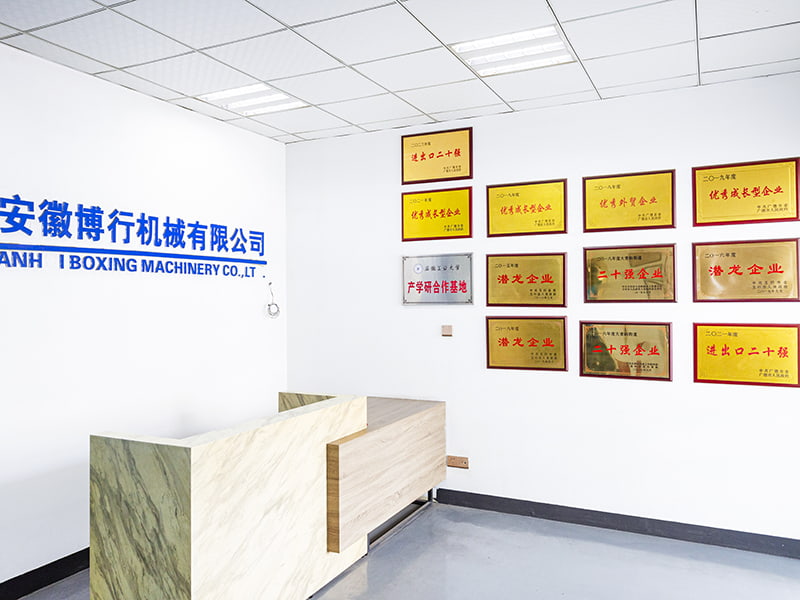
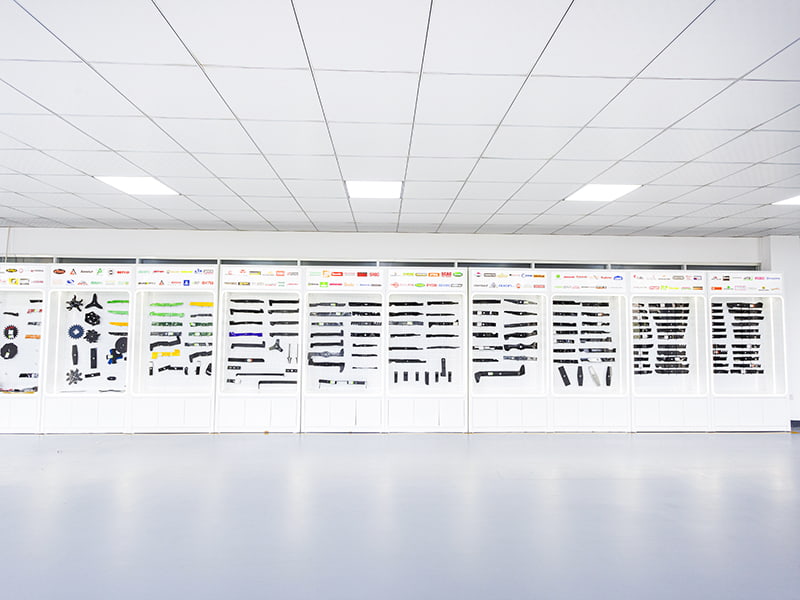
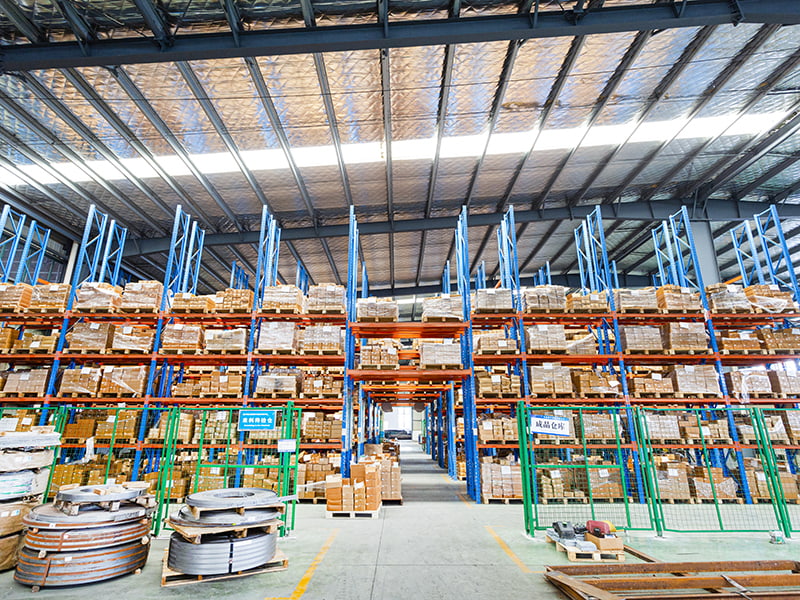
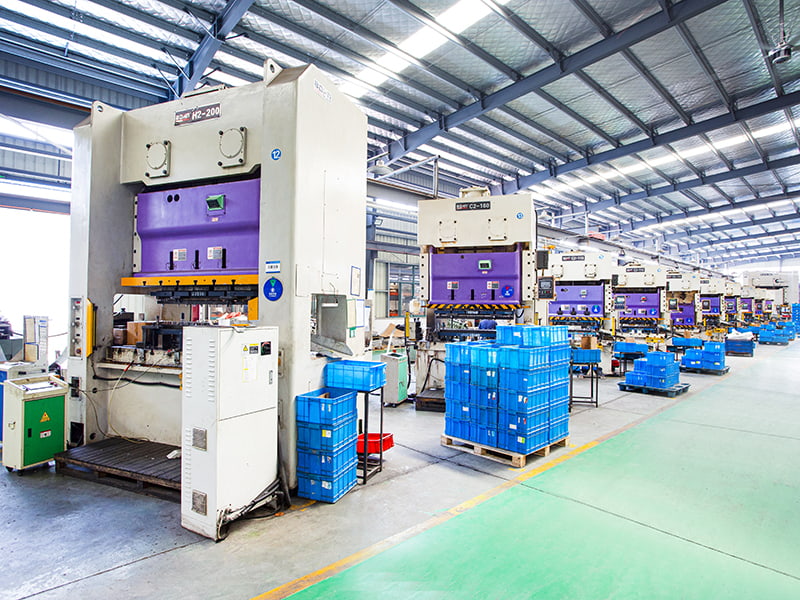
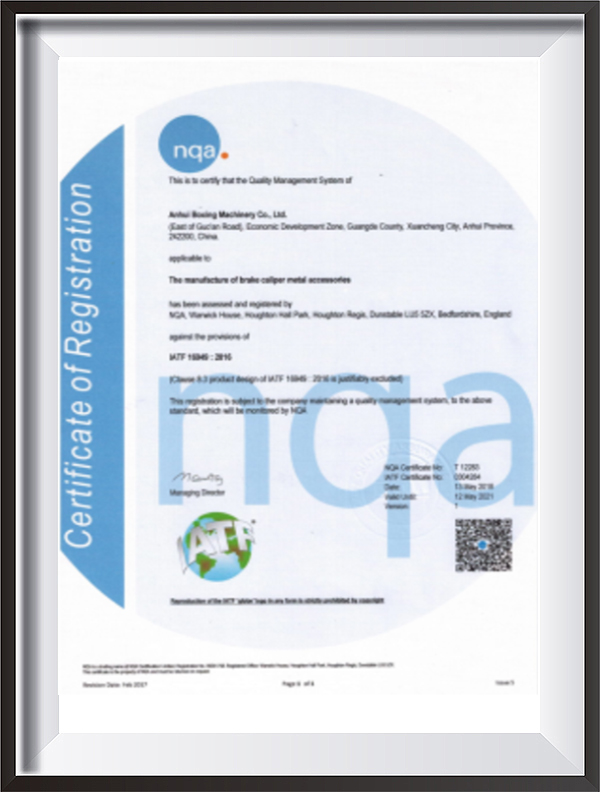
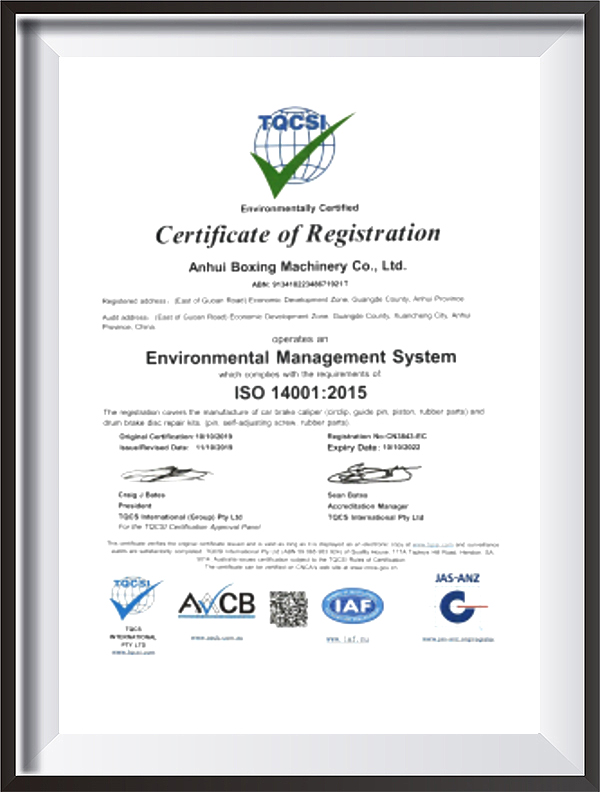
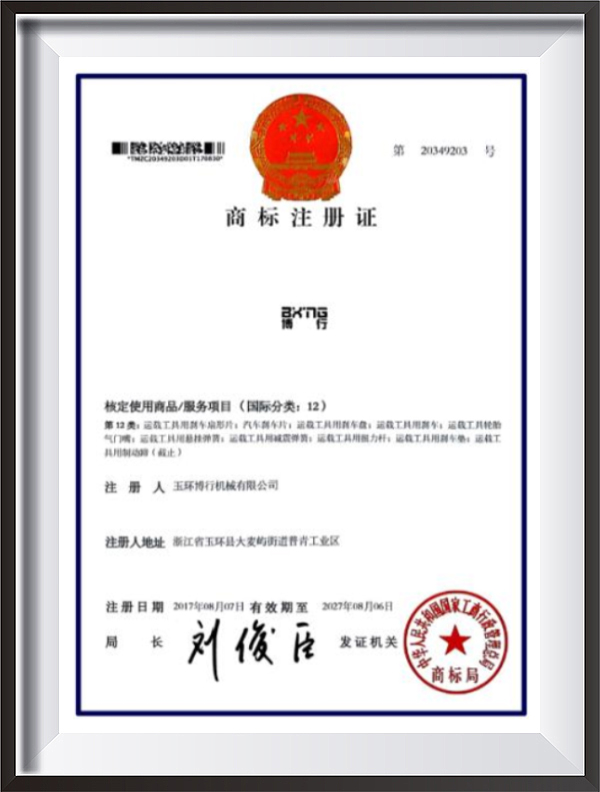
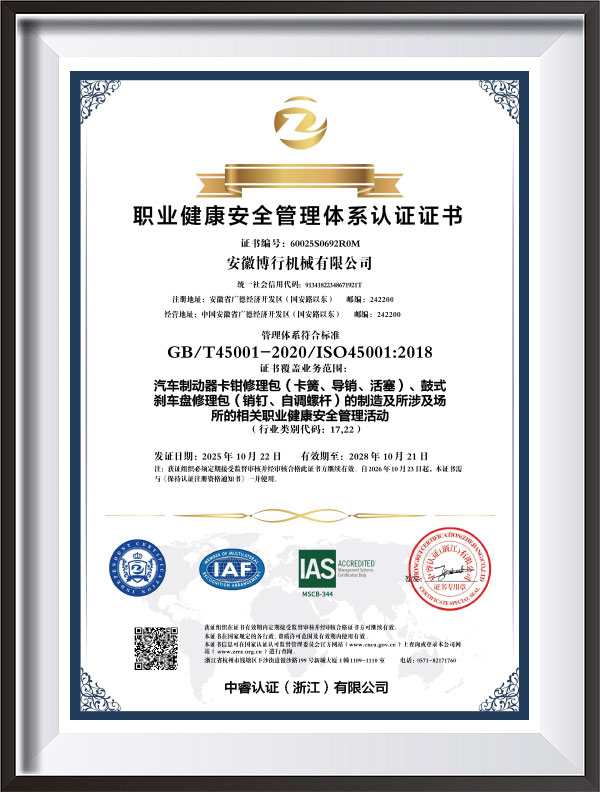
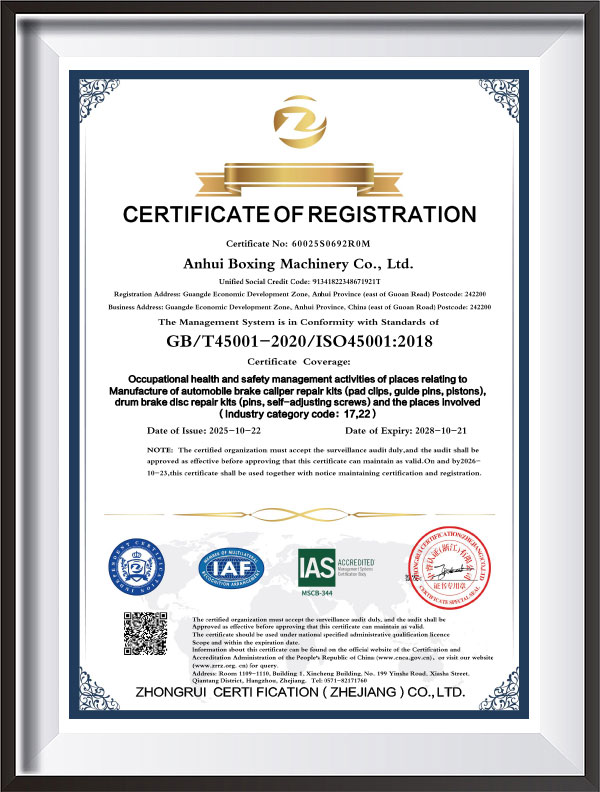
Certificate of Honor
Latest Updates
Industry knowledge
From Steel to Edge: The Forging Journey of an Industrial-Grade Exmark Mower Blade
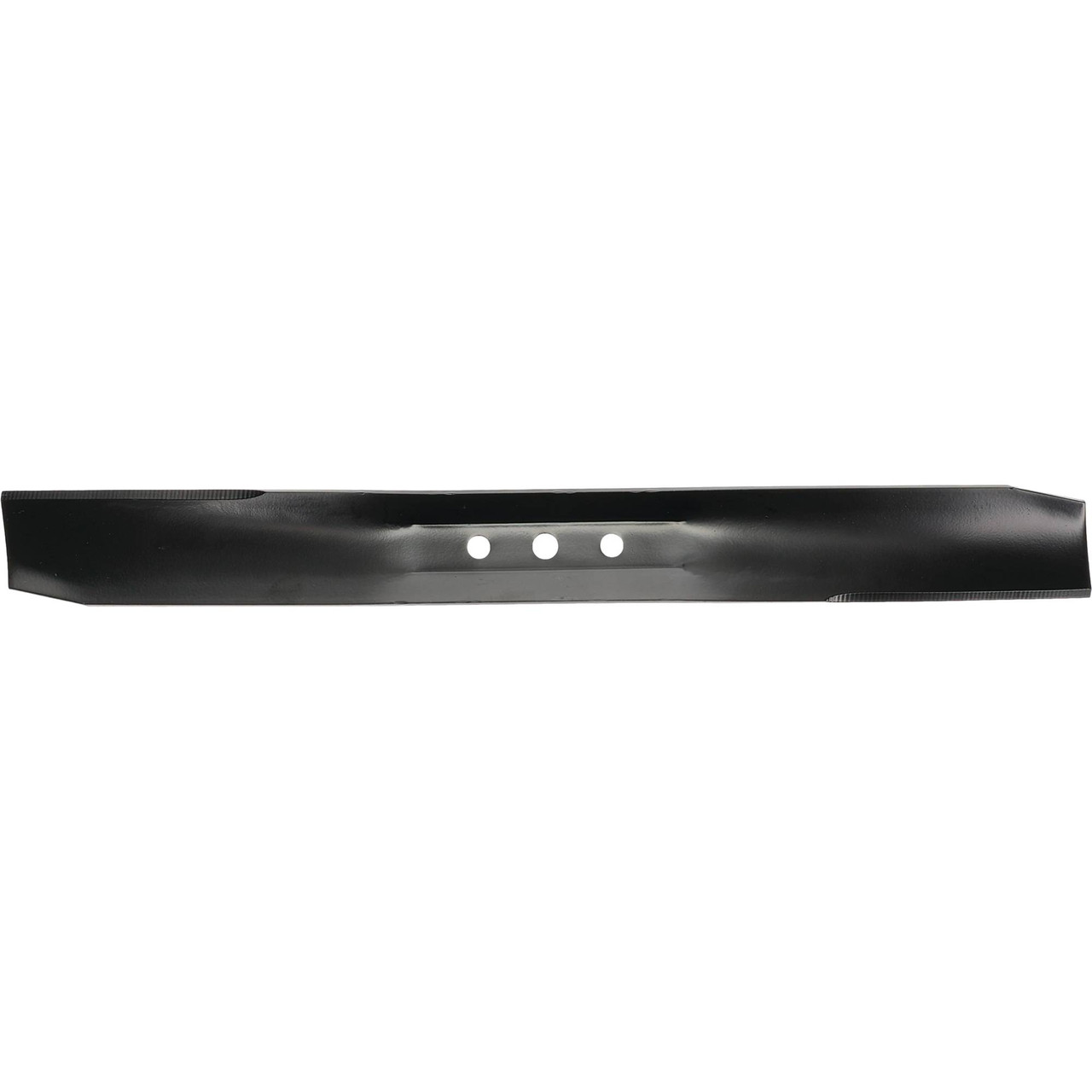
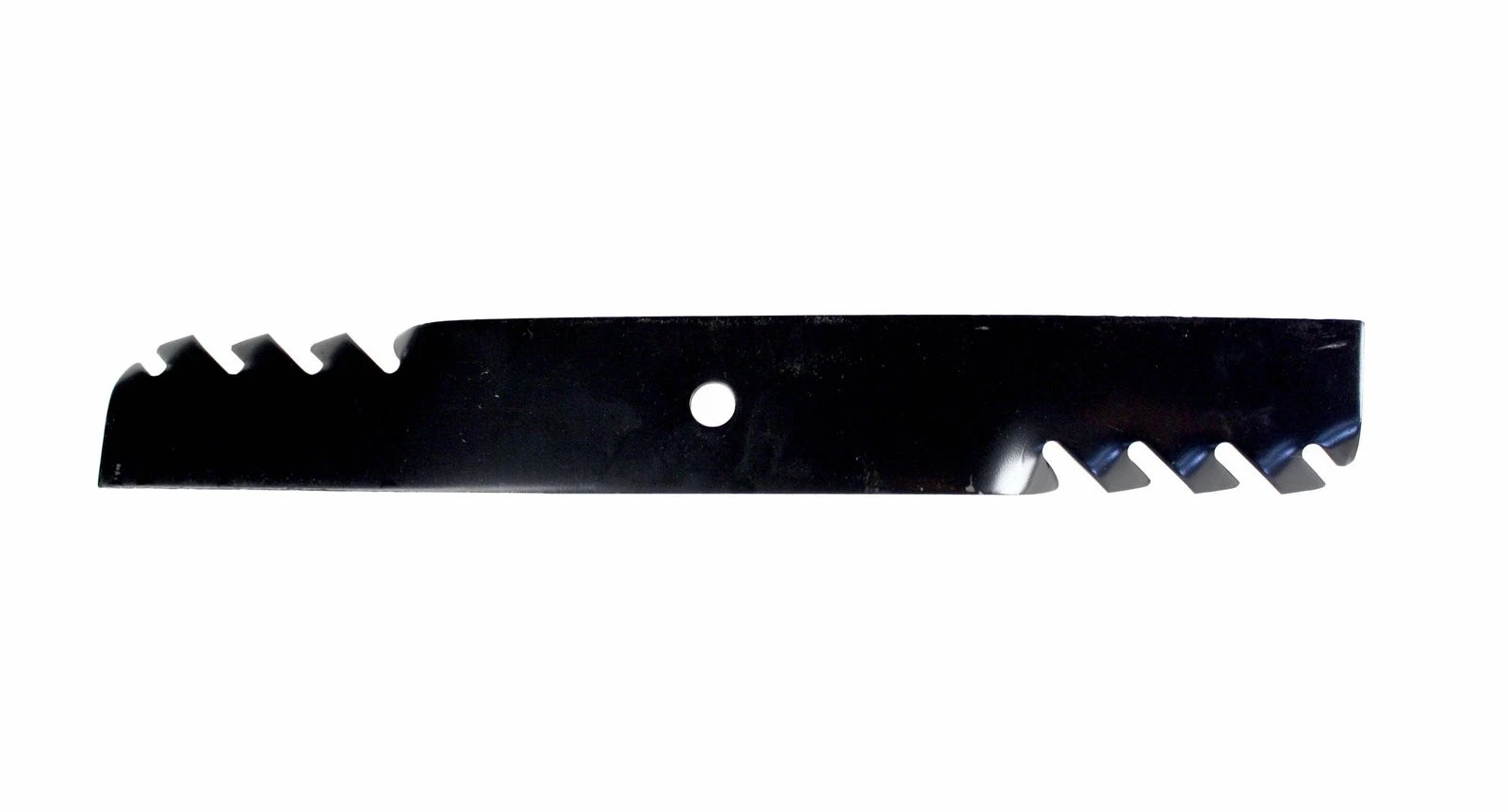
The performance of an Exmark mower is defined by the quality of its blade. A superior Exmark Mower Blade is not merely a piece of sharpened metal; it is a precision-engineered component resulting from a complex industrial process. Drawing on the extensive expertise of Anhui Boxing Machinery Co., Ltd—a manufacturer with over 19 years of experience and an annual output exceeding 10 million blades—we explore the rigorous journey from raw material to a finished, high-performance blade. This vertical integration, encompassing mold design, precision stamping, heat treatment, and edge grinding, is what sets industrial-grade blades apart.
Exmark Mower Blade Product Specifications
Understanding the technical specifications is crucial for selecting the right blade for your Exmark mower. The following table summarizes the key parameters for different blade types, which are manufactured with precision by Anhui Boxing Machinery Co., Ltd to ensure optimal performance and compatibility.
| Product Model/Name | Length | Center Hole | Thickness | Wing Width | Key Features/Applicable Models |
| Exmark High-Lift Blade | 21" | 5/8" (or 3/8") | .250" | 2-1/2" | High-lift design for powerful bagging; suitable for Lazer Z, Navigator |
| Exmark Mulching Blade | 21" | 5/8" | .250" | 1-3/4" | Extra wing surface for superior mulching; ideal for fine clipping coverage |
| Exmark Gator-Style Blade | 21" | 5/8" | .250" | 2-1/4" | Gator-style design combining lift and mulching; highly versatile |
| Exmark Standard Blade | 20-1/2" | 5/8" | .204" | 1-1/2" | Basic model, economical; suitable for some older Exmark models |
| Heavy-Duty Exmark Blade | 21-7/8" | 5/8" | .250" | 3" | Thickened, heavy-duty design for harsh conditions; for intensive commercial use |
The Core Manufacturing Stages
The creation of a reliable blade involves several critical stages, each governed by specific parameters to ensure optimal performance and durability.
1. Material Selection and Precision Stamping
The process begins with the choice of raw material, typically high-carbon steel like 65Mn or specific alloy steels. The carbon content is a primary determinant of the blade's potential hardness and wear resistance. Once selected, the steel undergoes precision stamping. Anhui Boxing Machinery Co., Ltd leverages its in-house mold design capabilities to create dies that stamp the blade shape with exacting tolerances. This precision is crucial for ensuring a perfect fit on the mower spindle and maintaining balance during operation.
2. The Science of Heat Treatment
Heat treatment is arguably the most critical phase, where the blade's fundamental properties are forged. This process involves two main steps:
- Quenching: The stamped blade is rapidly heated to a critical temperature (e.g., 850-900°C for 65Mn steel) and then rapidly cooled in oil or water. This transforms the steel's crystalline structure into hard, brittle martensite.
- Tempering: To reduce brittleness and introduce toughness, the quenched blade is reheated to a lower temperature (e.g., 350-450°C) and then cooled again. This tempers the martensite, achieving an optimal balance of hardness and flexibility.
The final hardness is measured on the Rockwell C scale (HRC), with a target range typically between HRC 45-55 for mower blades. This ensures the edge is hard enough to stay sharp but tough enough to resist chipping from impacts with stones or debris.
3. Precision Edge Grinding
After heat treatment, the blade undergoes edge grinding. The angle of the cutting edge is a key performance parameter, usually falling between 30 and 45 degrees. A steeper angle offers a sharper edge for clean cutting, while a more shallow angle provides greater durability. Advanced grinding machinery ensures a consistent, razor-sharp edge along the entire length of the blade.
4. Quality Control and Dynamic Balancing
Before leaving the factory, each blade is subjected to stringent quality control. This includes checking for dimensional accuracy, hardness, and finish. Crucially, blades undergo dynamic balancing testing. An unbalanced blade can cause excessive vibration, leading to premature wear on the mower's spindle and bearings. The allowable imbalance is measured in gram-millimeters (g-mm), and only blades within the specified tolerance are approved. As a supplier to over 30 countries, Anhui Boxing Machinery Co., Ltd's strict quality management system is the foundation of its global reputation.
FAQ
What are the main differences between a high-lift and a mulching Exmark Mower Blade?
The primary difference lies in their design, which dictates their function. A high-lift Exmark Mower Blade features a larger, more aggressively angled wing (e.g., 2.5" to 3" wide). This design creates a powerful vacuum that lifts grass blades upright for a clean cut and then forcefully expels the clippings into the bagger, making it ideal for collecting leaves and achieving a manicured look. In contrast, a mulching Exmark Mower Blade has a smaller or more complex, curved wing surface. Its purpose is not to eject clippings but to create a circulating air current within the mower deck. This keeps the grass suspended, allowing the blade to cut it into tiny pieces that decompose and return nutrients to the soil. Mulching blades are perfect for lawn health and reducing yard waste.
How often should I replace or sharpen my Exmark Mower Blade for optimal performance?
For optimal lawn health and mower efficiency, you should sharpen your Exmark Mower Blade after every 20 to 25 hours of use, which typically translates to once a month during the peak mowing season. A dull blade tears the grass instead of cutting it cleanly, leaving ragged brown tips that make the lawn susceptible to disease. Replacement, however, is needed less frequently. A high-quality, industrial-grade blade from a manufacturer like Anhui Boxing Machinery Co., Ltd can often be sharpened 3-5 times before needing replacement. You should replace the blade if it shows signs of major damage, such as deep nicks, a bent shape, or severe corrosion that cannot be removed.
Can I use any aftermarket Exmark Mower Blade, or do I need to match specific part numbers?
You must match specific measurements to your mower's requirements, not just the brand name. While aftermarket blades offer excellent value and sometimes superior performance, using the wrong one can be dangerous and damage your mower. The critical parameters you must match are:
- Length: The distance from tip to tip (e.g., 21 inches).
- Center Hole: The diameter of the hole in the center of the blade (e.g., 5/8 inch or 3/8 inch).
- Thickness: The gauge of the steel (e.g., .250 inch).
- Outer Holes: The distance between the center hole and any outer holes, and their diameter.
Always consult your mower's manual or the part number on your existing blade. Reputable suppliers provide detailed specifications to help you find the correct Exmark Mower Blade for your specific model.
What makes an industrial-grade Exmark Mower Blade better than a standard or economy blade?
An industrial-grade Exmark Mower Blade is superior due to its material quality, manufacturing precision, and heat treatment. Standard economy blades often use lower-grade steel and may lack a proper heat-treating process, resulting in a blade that dulls quickly or is too brittle and can crack. An industrial-grade blade, like those produced by Anhui Boxing Machinery Co., Ltd, is made from high-carbon steel and undergoes a controlled heat-treatment process to achieve an optimal HRC hardness. This means it stays sharper longer and is far more resistant to wear and impact. Furthermore, industrial blades are precision-stamped and dynamically balanced, leading to a cleaner cut, smoother operation, and less stress on your mower's engine and spindle.
Contact Us And Get A Quote
Priority To Learn About Our New Products
 Add: North of Guo'an Road, Economic Development Zone, Guangde County, Anhui,China
Mob: +86-13967663706
E-mail: [email protected]
Add: North of Guo'an Road, Economic Development Zone, Guangde County, Anhui,China
Mob: +86-13967663706
E-mail: [email protected]
Copyright © 2025 Anhui Boxing Machinery Co., Ltd All Rights Reserved.Wholesale Exmark Lawn Mower Blade Manufacturers
