

 English
 русский
 中文简体
中文简体 Español

Product Category
-
Husqvarna
-
Jonsered
-
MTD
-
STIGA
-
AYP
-
SIMPLICITY
-
John Deere
-
FERRIS
-
HUSTLER
-
CUB
-
AL-KO
-
SOLO
-
Bolens
-
Craftsman
-
Massey
-
EGO
-
PerfektGarten
-
Oleo Mac
-
Poulan
-
Troy
-
MPN
-
BadBoy
-
Bobcat
-
Bunton
-
Encore
-
Exmark
-
Gravely
-
Jacobsen
-
Oregon
-
Rotary
-
Bad Boy
-
Dixie Chopper
-
Dixon
-
Weibang
-
BOSCH
-
Castelgarden
-
VIKING
-
McCulloch
-
PowerSmart
-
Honda
-
DR Power Equipment
-
Land Pride
-
Spartan
-
Giant
-
Great Dane
-
Kees
-
Worldlawn
-
Wright Mfg
-
Yazoo
-
LastecP
-
Lesco
-
Murray
-
Ransomes
-
Woods
-
Cub Cadet
-
Castel Garden
-
Billy Goat
-
Yamaha
-
Flymo
-
Trex
-
Sabo
-
Greenworks
-
RYOBI
-
Fuxtec
-
Fieldmann
-
Scheppach
-
ETESIA
-
WOLF
-
ALO-KO
-
ALM
-
Atom
Contact Us
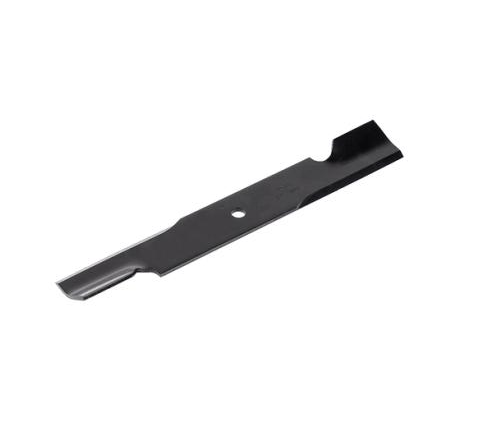
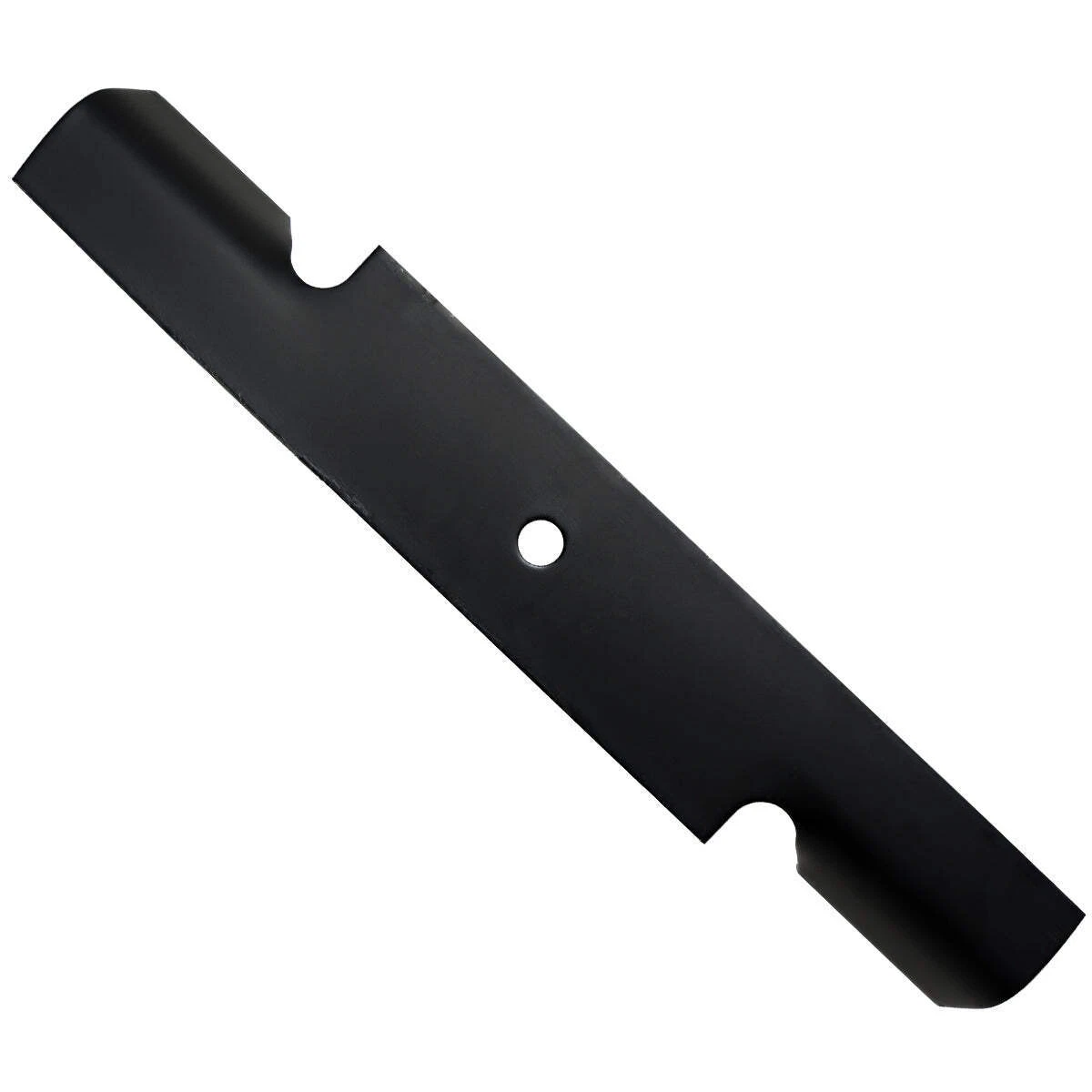
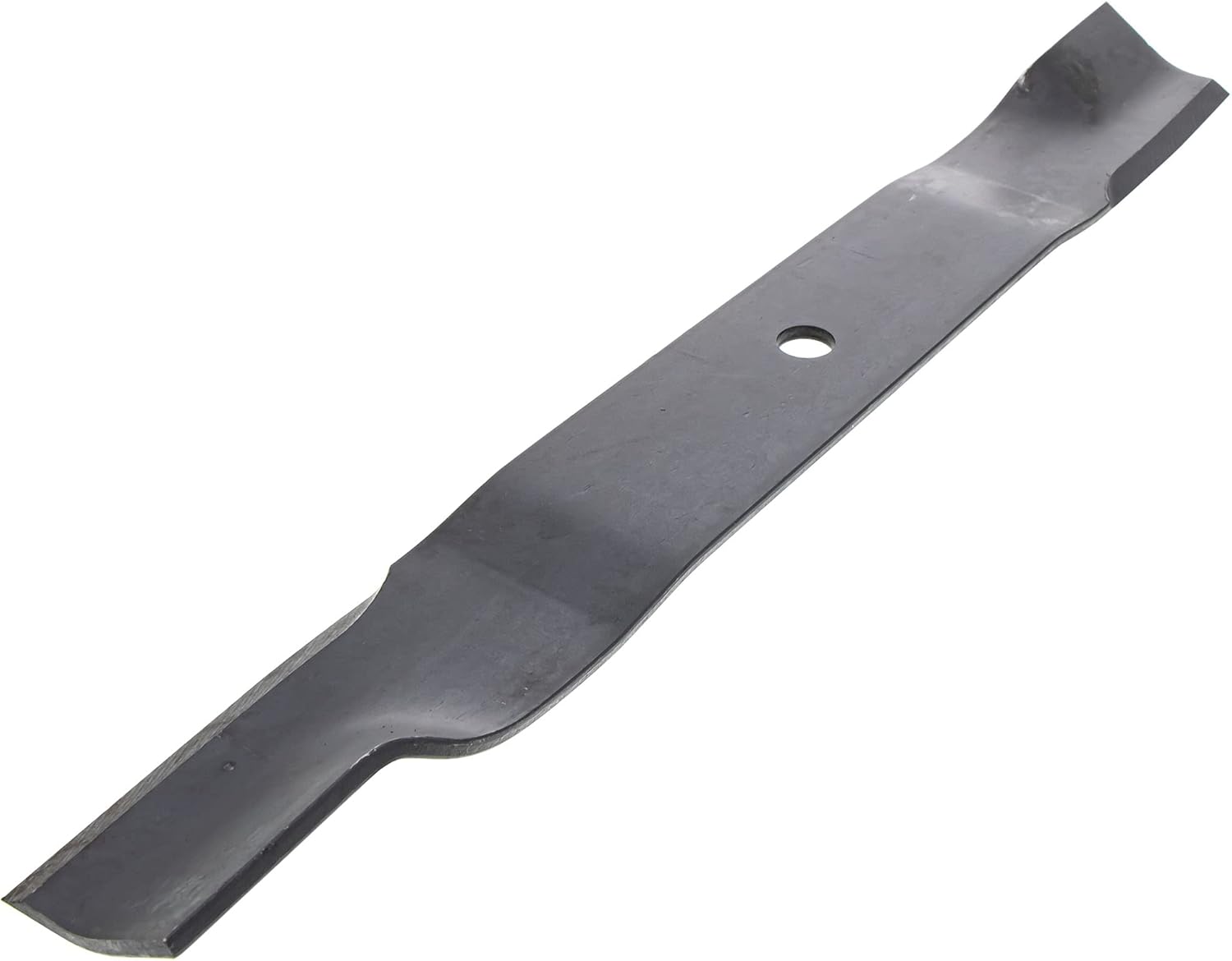
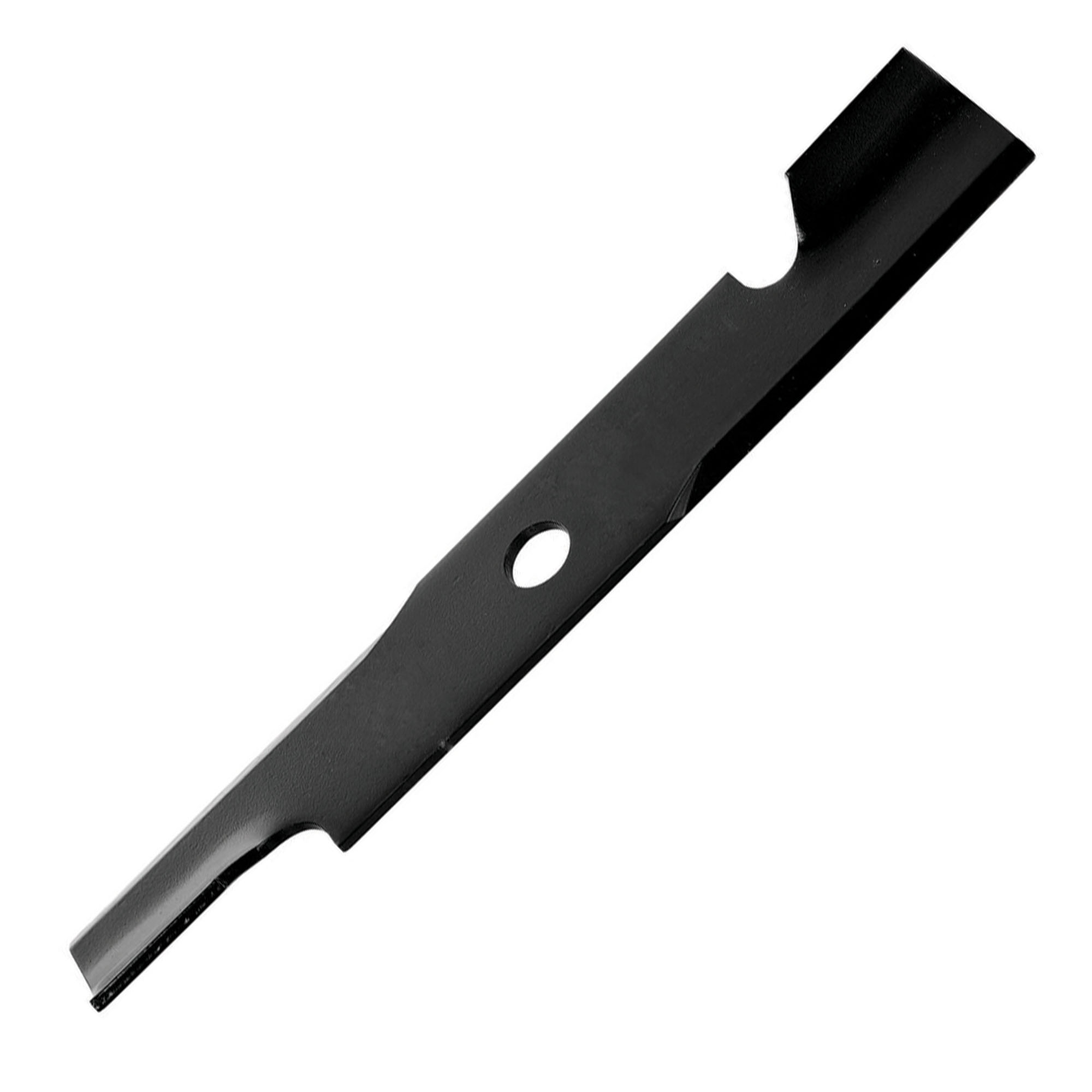
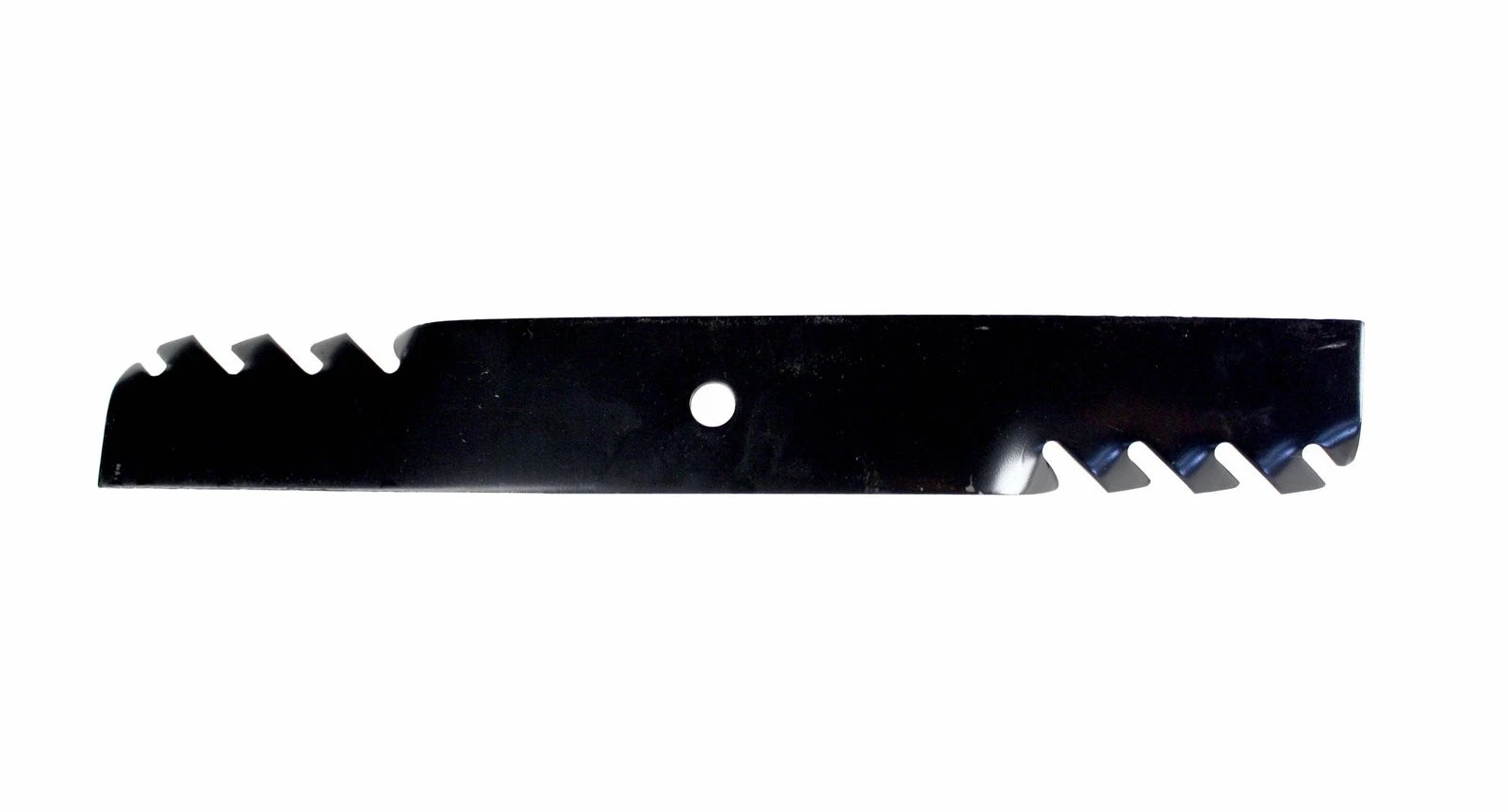
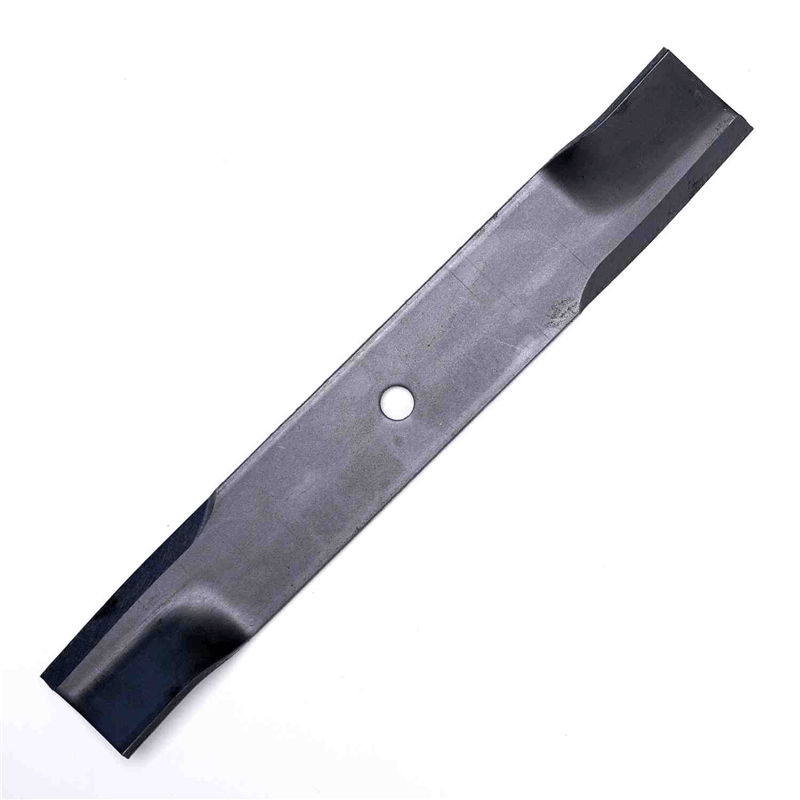
Gravely Lawn Mower Blade Manufacturers

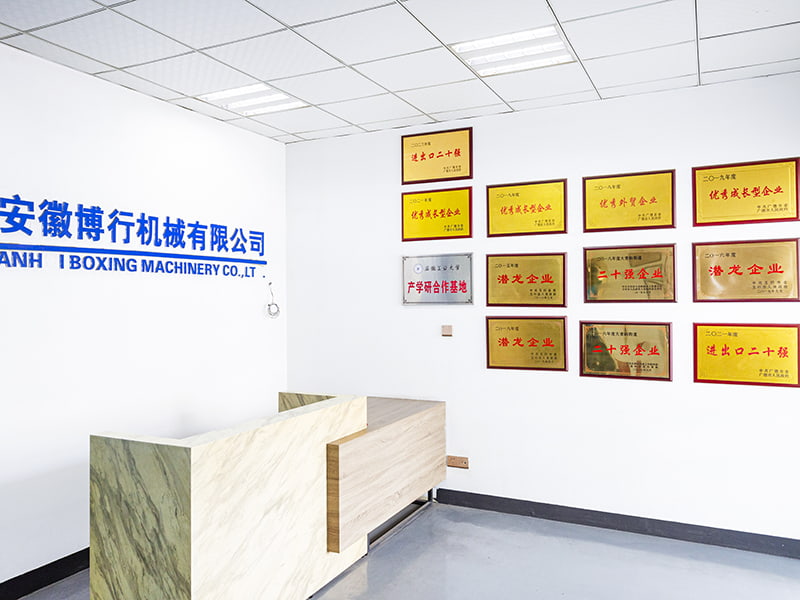
About Boxing
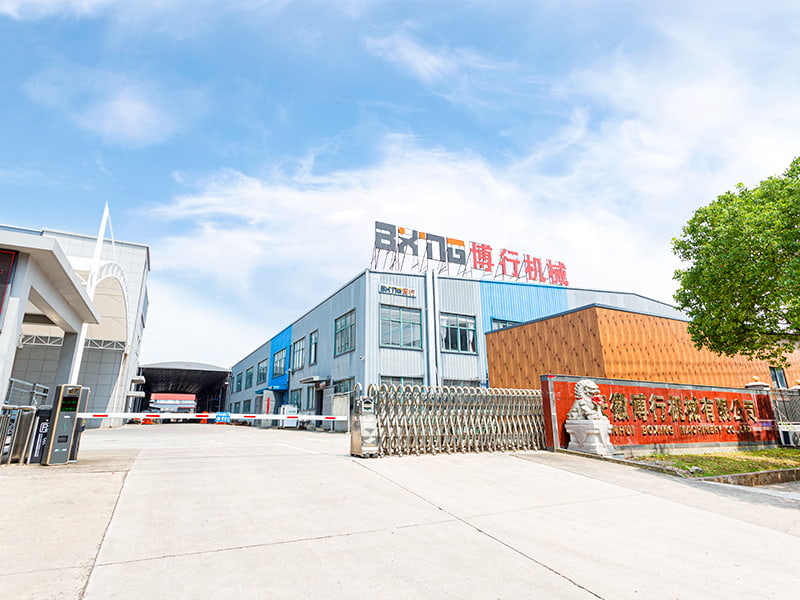
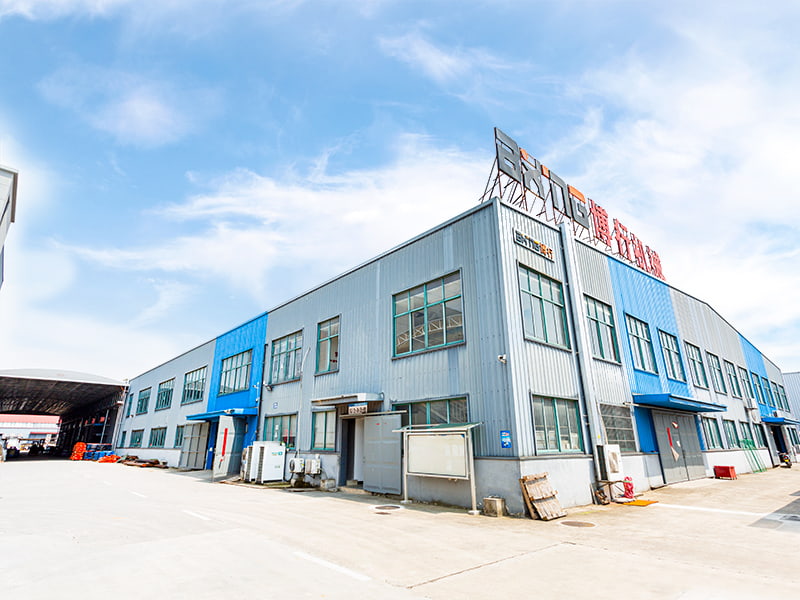
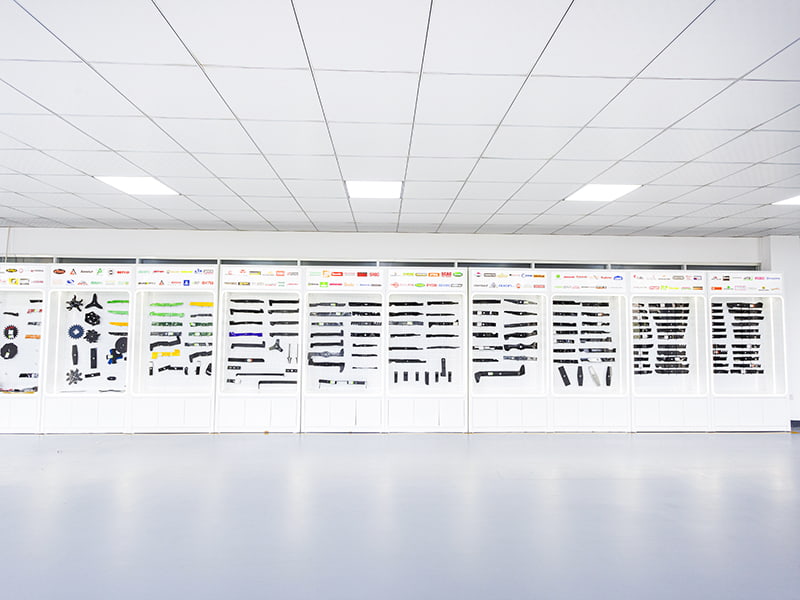
Anhui Boxing Machinery Co., LTD was founded in 2008.The company is located in North of Guo’an Road, Guangde economic development zone,Anhui province,mainly produces metal stamping parts and all kinds of garden tools.We are China Wholesale Gravely Lawn Mower Blade Manufacturers and OEM/ODM Gravely Lawn Mower Blade Company.
In the pursuit of the ultimate goal that green mountains and clear waters are invaluable assets and constantly adapt to the new demands of the market, the company began to enter the garden machinery industry since 2013.we are specializing in the manufacture and produce all kinds of garden tools and accessories, the main hedge machine blade, cutting machine blade, tea picking machine blade and other related products. We select high-quality materials with different heat treatment processes and create each tool carefully.
After countless times of grinding and testing to ensure that they are not only sharp and durable but also lightweight and comfortable.
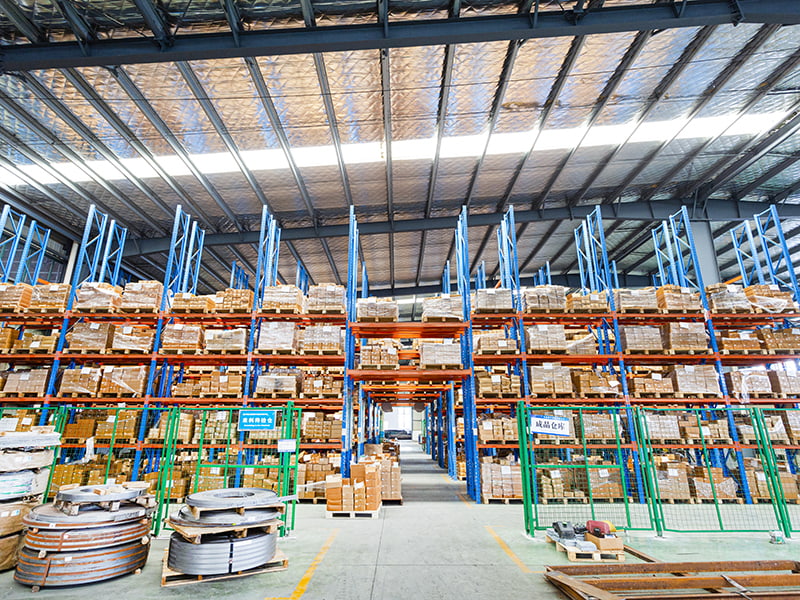
After more than 10 years of development, the company has a strong technical reserve and strong production capacity. In the fierce market competition, the company has been relying on excellent product quality, reasonable product prices and constantly improves the product process to strengthen the ability of professional production. We put the benefits to customers and achieve excellence. Our products open the domestic market. At the same time, the garden machinery which provided by us has been exported to Europe , the United States and won the trust with praise of customers.
We provide professional after-sales service to ensure that customers have a worry-free experience in the process of buying and using Blades.
At the same time, we also provide personalized services so that the Blades accompany you to spend every morning and evening and will become a part of your life, witness your growth and change.
We will carve an exclusive nameplate for each knife, engraved with your name or special logo so that it will continue the emotion in your life, inherit the story.
Adhering to the development and business model of ‘quality first, customer demands first, do great things,for great love’, we welcome manufacturers from all over the world to contact us .Looking forward to cooperating with you as soon as possible!
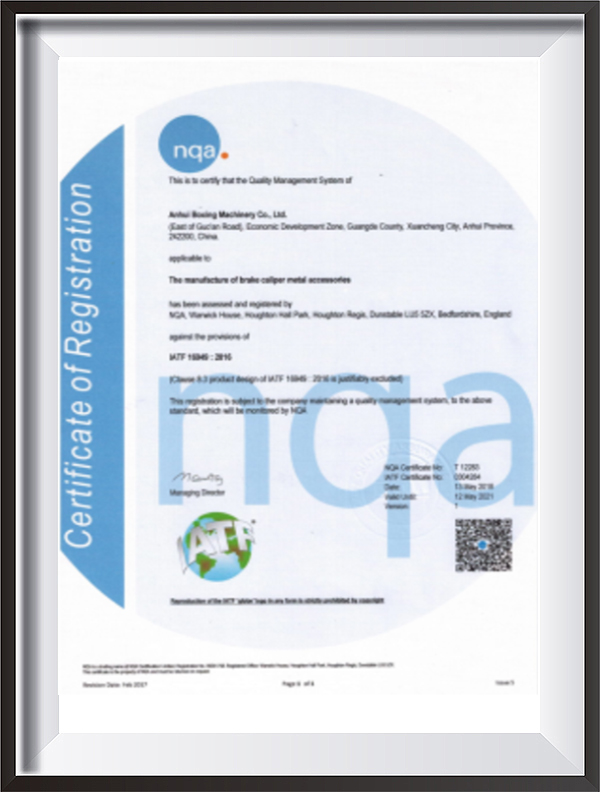
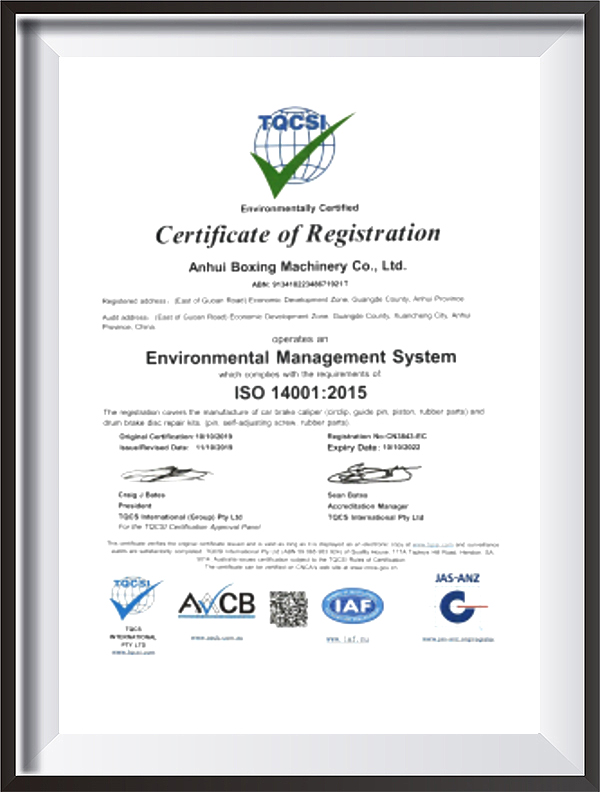
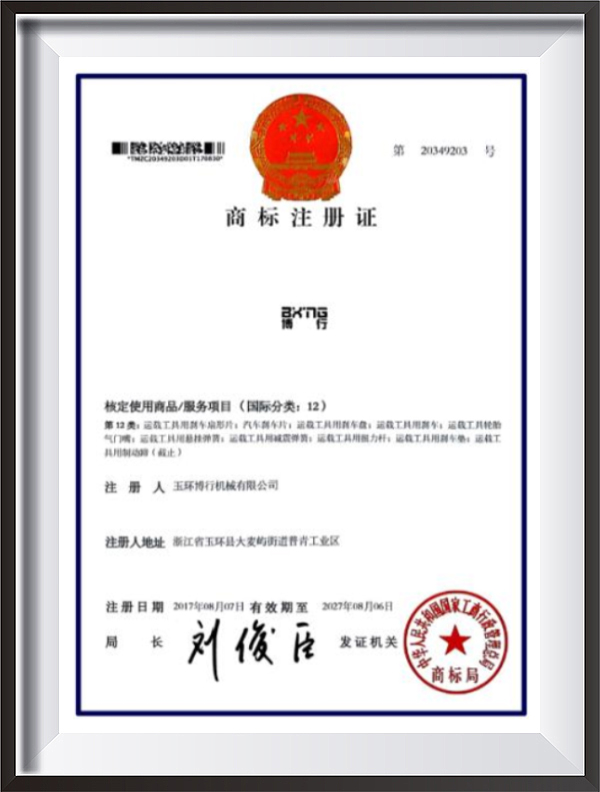
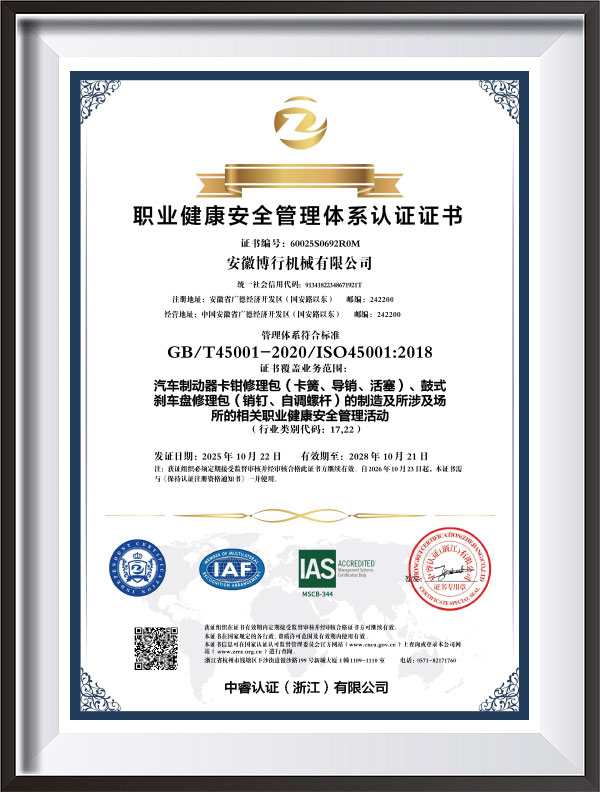
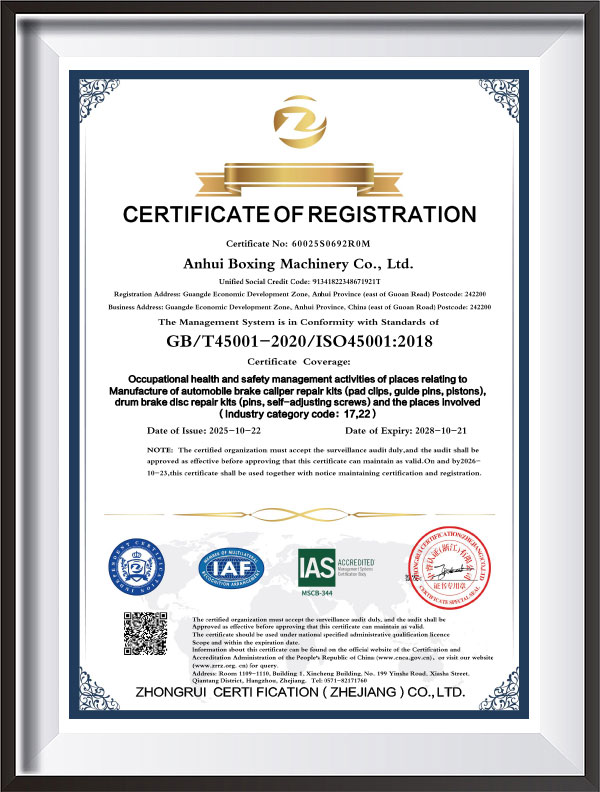
Certificate of Honor
Latest Updates
Industry knowledge
Comprehensive Guide to Gravely Mower Blades: Technical Insights for Professionals
For operators and fleet managers relying on Gravely commercial mowing equipment, maintaining peak performance is non-negotiable. The cutting blade is the heart of the system, directly impacting cut quality, machine health, and operational cost. This guide provides in-depth technical knowledge about Gravely Mower Blade selection, manufacturing excellence, and lifecycle management, with insights relevant to industry-leading suppliers and manufacturers.
Supplier Profile: Key Manufacturing Partner Insights
Understanding the capabilities of a manufacturing partner is crucial for sourcing reliable, high-performance replacement parts. The following table outlines the profile of a specialized industrial blade manufacturer relevant to the Gravely ecosystem.
| Profile Item | Details |
| Supplier Name | Anhui Boxing Machinery Co., LTD |
| Core Expertise | Specialized manufacturer and OEM/ODM supplier of industrial-grade mower blades. |
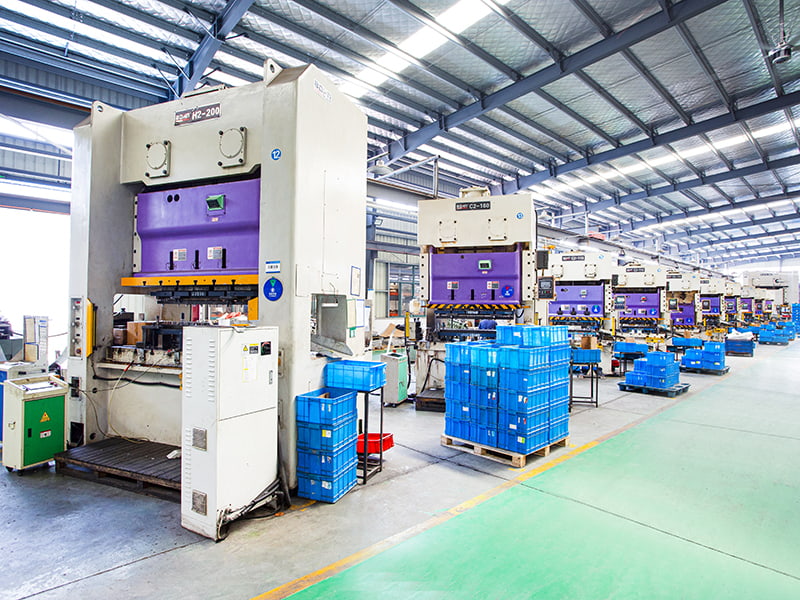
| Integrated Manufacturing | Full in-house control over mold design, precision stamping, heat treatment, and edge grinding. |
| Production Scale | Annual output capacity exceeding 10 million blades. |
| Quality Assurance | Operates a strict quality management system supported by advanced testing equipment. |
| Global Market Reach | Products exported to over 30 countries across Europe, the Americas, Southeast Asia, and the Middle East. |
Precision Selection: Critical Parameters for Gravely Blades
Selecting the correct replacement blade requires matching exact technical specifications to ensure safety, performance, and compatibility.
- Dimensional Compatibility: The blade's length, center hole diameter, thickness, and bolt hole pattern must be an exact match for your specific Gravely mower model. Even minor deviations can cause dangerous vibration, poor cut quality, and accelerated wear on the mower's spindle.
- Material and Performance Specifications: Industrial-grade blades are defined by their material (typically high-carbon or alloy steel) and hardness (measured in HRC). The optimal balance of hardness and toughness is achieved through precise heat treatment—a core competency of advanced manufacturers—ensuring the blade stays sharp longer while resisting impact damage.
The Integrated Manufacturing Process: From Steel to Sharp Edge
The durability and consistency of a professional blade are engineered through a seamless, vertically controlled production process.
- End-to-End Production Chain: A true industrial manufacturer integrates every critical step: 1. Mold Design & Fabrication for precision; 2. High-Tonnage Precision Stamping; 3. Computer-Controlled Heat Treatment to set metallurgical properties; 4. Precision Edge Grinding to establish the cutting geometry; 5. Dynamic Balancing to minimize vibration; and 6. Surface Coating for corrosion resistance.
- Quality Embedded at Every Stage: This integration allows for stringent quality control at each transformation point. Rigorous testing for hardness uniformity, structural integrity (fatigue testing), balance, and coating adhesion ensures every blade meets the demands of commercial landscaping, golf course maintenance, and municipal use.
Strategic OEM/ODM Partnerships for Fleet Optimization
For large-scale operations, partnering directly with a manufacturer like Anhui Boxing Machinery offers strategic advantages beyond simple procurement.
- Guaranteed Supply Chain Stability: Direct access to high-capacity production ensures consistent availability of critical parts, preventing downtime during peak mowing seasons.
- Customization for Specific Needs:OEM/ODM services enable customization, such as blades optimized for specific grass types (e.g., Bermuda vs. cool-season grasses), reinforced designs for extreme conditions, or proprietary brand markings. This collaborative approach drives innovation tailored to operational challenges.
Data-Driven Maintenance and Lifecycle Management
Maximizing the return on investment from your blades requires a proactive, informed maintenance strategy.
- Diagnostic Indicators for Replacement: Monitor for clear signs of wear: a ragged or uneven cut, increased fuel consumption, excessive vibration, or visible nicks and curvature on the blade itself. A dull blade tears grass, leaving brown tips and making lawns susceptible to disease.
- Extending Service Intervals: While sharpening frequency depends on usage (often every 10-25 operating hours), the total service life is heavily influenced by blade quality. Blades manufactured with superior metallurgy and precise heat treatment exhibit greater resistance to abrasion and fatigue, directly reducing long-term replacement costs and machine downtime.
FAQ
How do I identify the exact Gravely mower blade model I need?
The most reliable method is to use your mower's model and serial number, located on a decal on the frame or deck. Cross-reference this with the official Gravely parts manual or online portal. Alternatively, safely remove the current blade and record its exact length (tip-to-tip through the center hole), center hole diameter, and the shape/pattern of any additional mounting holes. Reputable suppliers can match these physical specifications precisely.
What is the difference between a standard and a high-lift blade for my Gravely mower?
The difference lies in the design of the blade's wings. A standard blade generates moderate lift for efficient side discharge. A high-lift blade has a more aggressively curved wing design, creating stronger upward suction. This is ideal for achieving superior bagging performance and for mowing in wet or tall grass conditions, though it may require slightly more engine horsepower to operate effectively.
Why is "heat treatment" so frequently mentioned regarding industrial mower blades?
Heat treatment is the metallurgical process that defines a blade's core performance characteristics. It involves precisely heating and cooling the steel to alter its microstructure. For a mower blade, this process sets the crucial balance between hardness (which provides edge retention and wear resistance) and toughness (which provides resistance to chipping and cracking upon impact). Proper heat treatment is what separates a durable, long-lasting industrial blade from a commodity part.
Can I sharpen my Gravely commercial blades myself, and what is the best practice?
Yes, regular sharpening is essential. The best practice is:
- Always disconnect the spark plug before removing the blade.
- Secure the blade in a vise.
- Using a file or grinder, follow the original cutting angle, removing an equal amount of material from each end to maintain balance.
- Critically, check and correct the blade's balance using a dedicated blade balancer. An unbalanced blade is a primary cause of harmful vibration.
- For efficiency, many commercial operations use a professional sharpening service or maintain multiple pre-sharpened sets for quick changeovers.
What should I prioritize when choosing a supplier for bulk Gravely blade purchases?
Focus on these four pillars:
- Manufacturing Provenance: Prefer suppliers with integrated, in-house control over the entire manufacturing process, as this ensures consistency and accountability.
- Verifiable Quality Systems: Look for evidence of a formal quality management system and testing protocols.
- Supply Chain Reliability: Assess their capacity and track record for on-time delivery, especially for large orders.
- Technical Support: Ensure they provide access to expertise for compatibility questions and application guidance.
A supplier excelling in these areas becomes a long-term strategic partner for your business.
Contact Us And Get A Quote
Priority To Learn About Our New Products
 Add: North of Guo'an Road, Economic Development Zone, Guangde County, Anhui,China
Mob: +86-13967663706
E-mail: [email protected]
Add: North of Guo'an Road, Economic Development Zone, Guangde County, Anhui,China
Mob: +86-13967663706
E-mail: [email protected]
Copyright © 2025 Anhui Boxing Machinery Co., Ltd All Rights Reserved.Wholesale Gravely Lawn Mower Blade Manufacturers
