

 English
 русский
 中文简体
中文简体 Español

Product Category
-
Husqvarna
-
Jonsered
-
MTD
-
STIGA
-
AYP
-
SIMPLICITY
-
John Deere
-
FERRIS
-
HUSTLER
-
CUB
-
AL-KO
-
SOLO
-
Bolens
-
Craftsman
-
Massey
-
EGO
-
PerfektGarten
-
Oleo Mac
-
Poulan
-
Troy
-
MPN
-
BadBoy
-
Bobcat
-
Bunton
-
Encore
-
Exmark
-
Gravely
-
Jacobsen
-
Oregon
-
Rotary
-
Bad Boy
-
Dixie Chopper
-
Dixon
-
Weibang
-
BOSCH
-
Castelgarden
-
VIKING
-
McCulloch
-
PowerSmart
-
Honda
-
DR Power Equipment
-
Land Pride
-
Spartan
-
Giant
-
Great Dane
-
Kees
-
Worldlawn
-
Wright Mfg
-
Yazoo
-
LastecP
-
Lesco
-
Murray
-
Ransomes
-
Woods
-
Cub Cadet
-
Castel Garden
-
Billy Goat
-
Yamaha
-
Flymo
-
Trex
-
Sabo
-
Greenworks
-
RYOBI
-
Fuxtec
-
Fieldmann
-
Scheppach
-
ETESIA
-
WOLF
-
ALO-KO
-
ALM
-
Atom
Contact Us
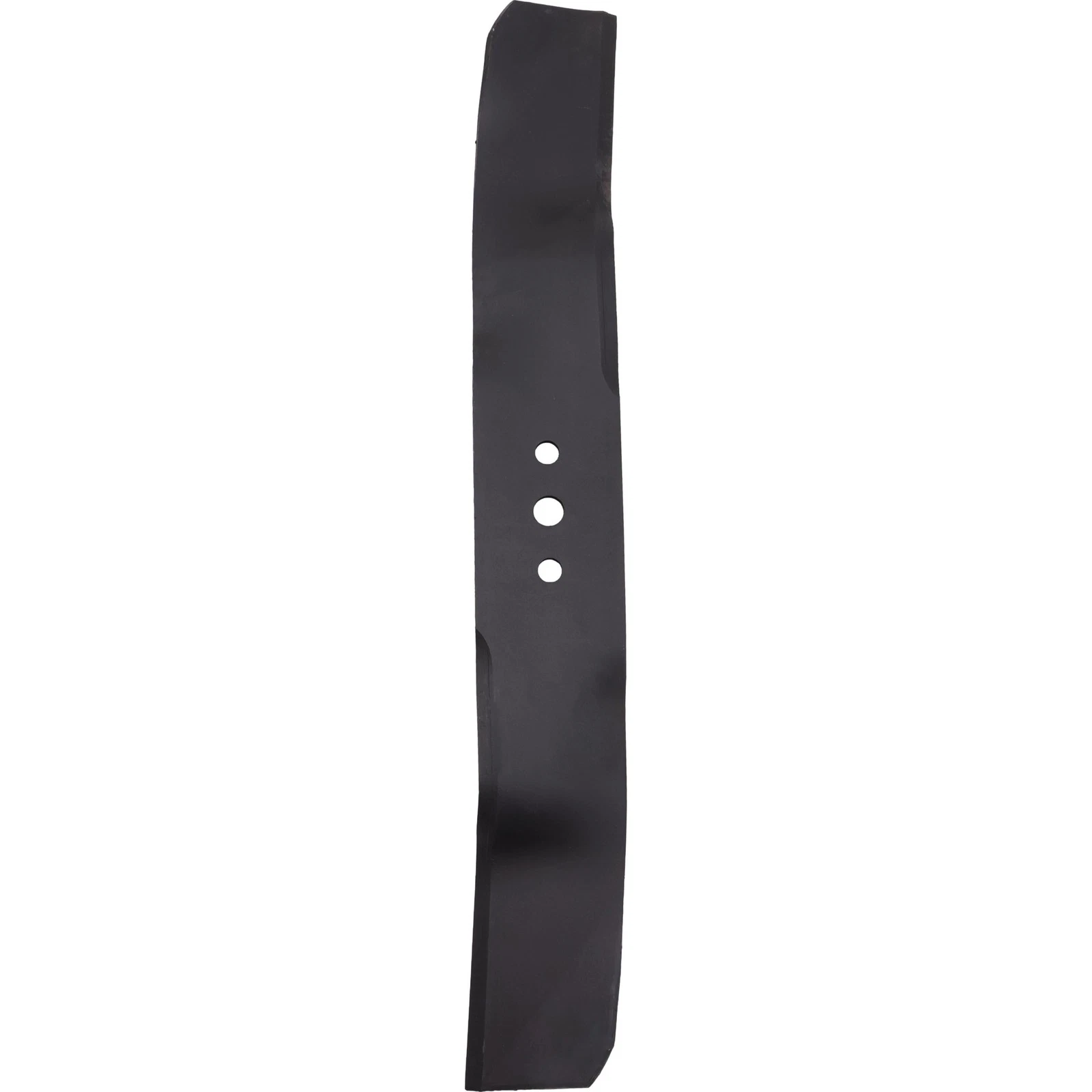
Oregon Lawn Mower Blade Manufacturers
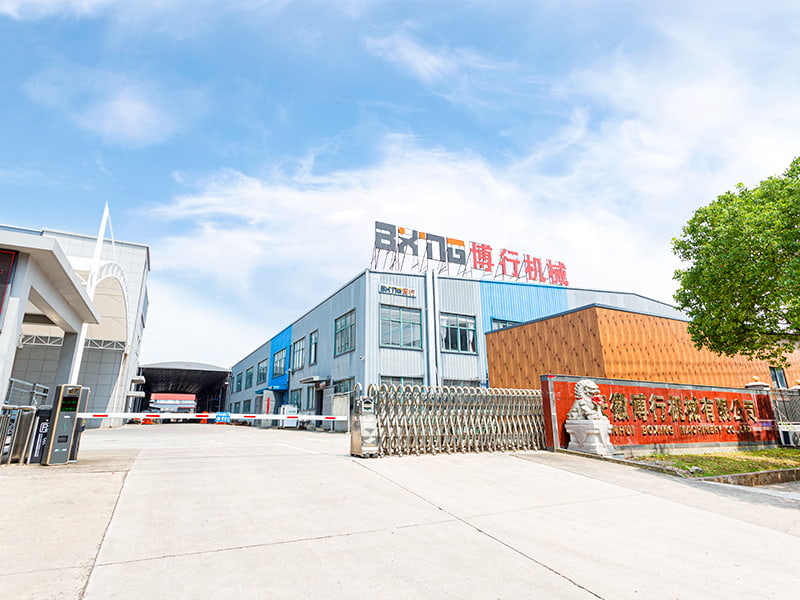
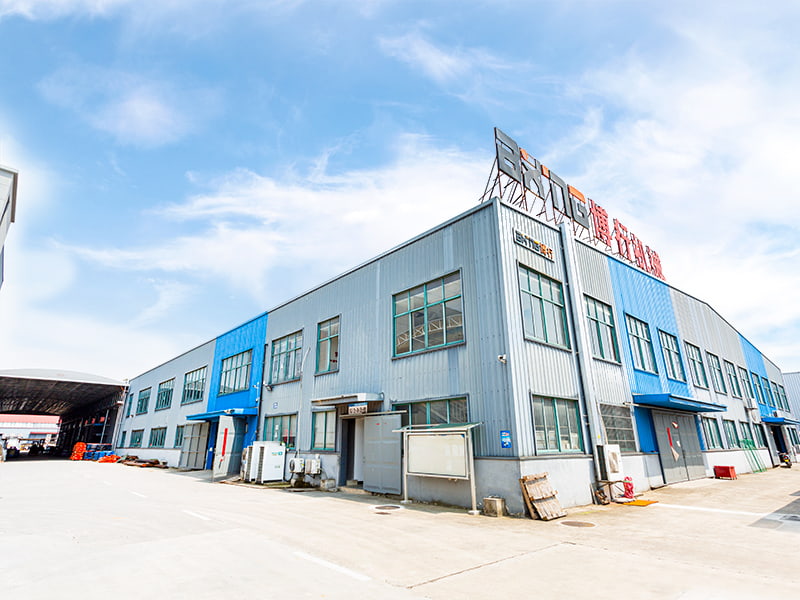
About Boxing
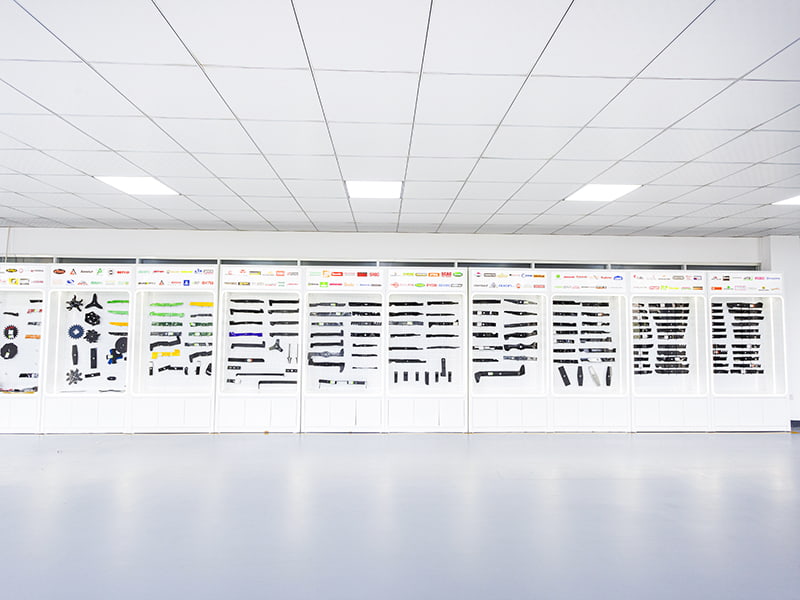
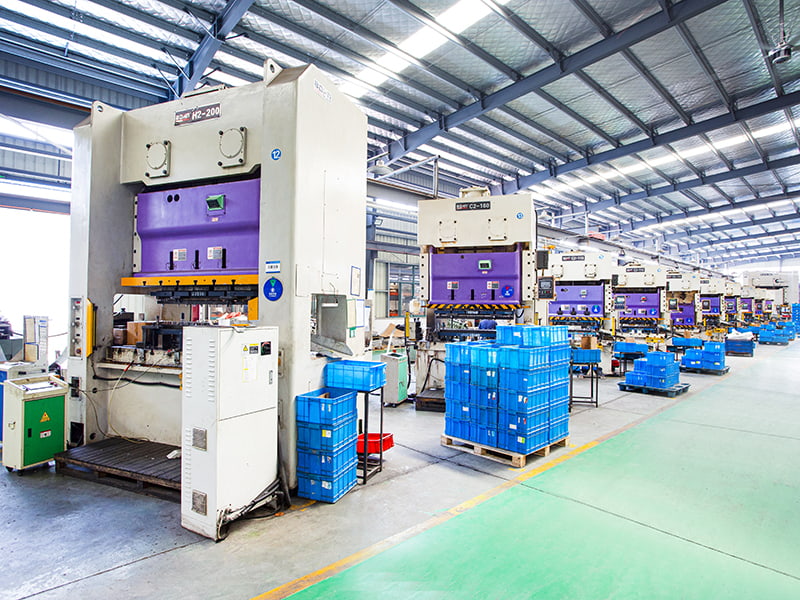
Anhui Boxing Machinery Co., LTD was founded in 2008.The company is located in North of Guo’an Road, Guangde economic development zone,Anhui province,mainly produces metal stamping parts and all kinds of garden tools.We are China Wholesale Oregon Lawn Mower Blade Manufacturers and OEM/ODM Oregon Lawn Mower Blade Company.
In the pursuit of the ultimate goal that green mountains and clear waters are invaluable assets and constantly adapt to the new demands of the market, the company began to enter the garden machinery industry since 2013.we are specializing in the manufacture and produce all kinds of garden tools and accessories, the main hedge machine blade, cutting machine blade, tea picking machine blade and other related products. We select high-quality materials with different heat treatment processes and create each tool carefully.
After countless times of grinding and testing to ensure that they are not only sharp and durable but also lightweight and comfortable.
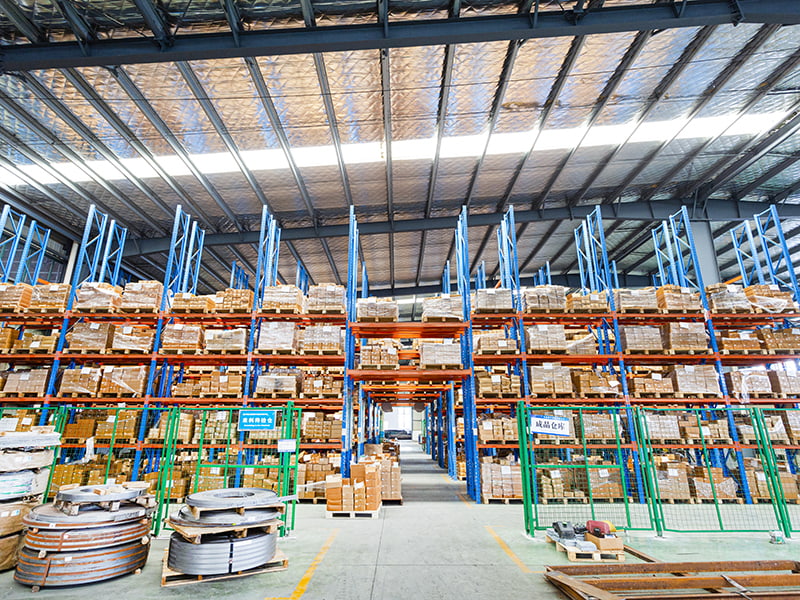
After more than 10 years of development, the company has a strong technical reserve and strong production capacity. In the fierce market competition, the company has been relying on excellent product quality, reasonable product prices and constantly improves the product process to strengthen the ability of professional production. We put the benefits to customers and achieve excellence. Our products open the domestic market. At the same time, the garden machinery which provided by us has been exported to Europe , the United States and won the trust with praise of customers.
We provide professional after-sales service to ensure that customers have a worry-free experience in the process of buying and using Blades.
At the same time, we also provide personalized services so that the Blades accompany you to spend every morning and evening and will become a part of your life, witness your growth and change.
We will carve an exclusive nameplate for each knife, engraved with your name or special logo so that it will continue the emotion in your life, inherit the story.
Adhering to the development and business model of ‘quality first, customer demands first, do great things,for great love’, we welcome manufacturers from all over the world to contact us .Looking forward to cooperating with you as soon as possible!
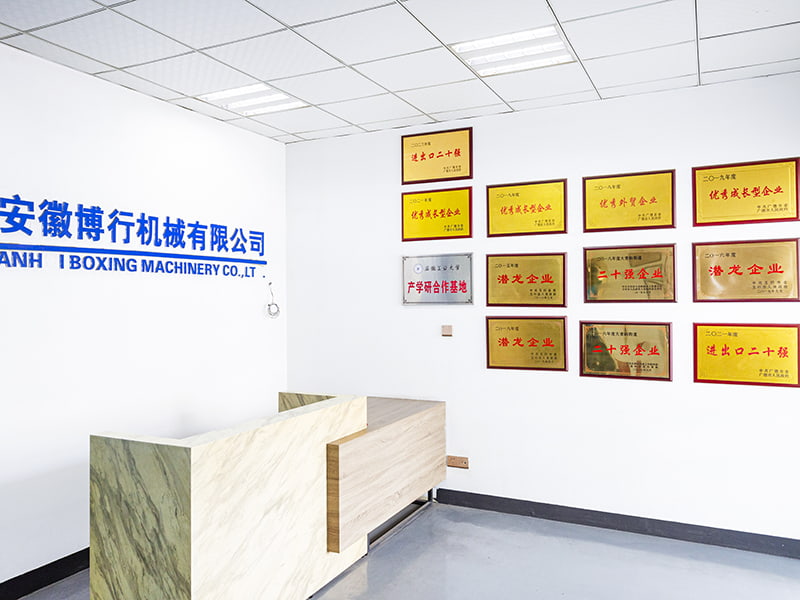
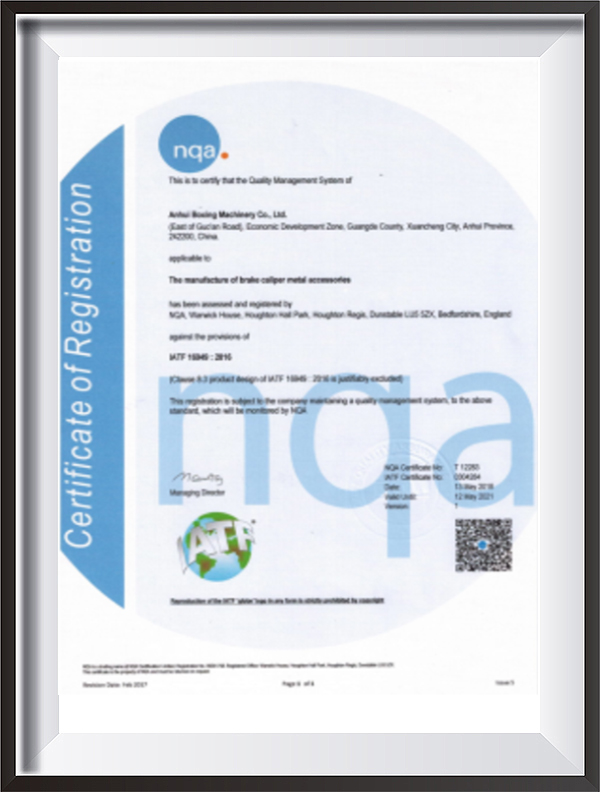
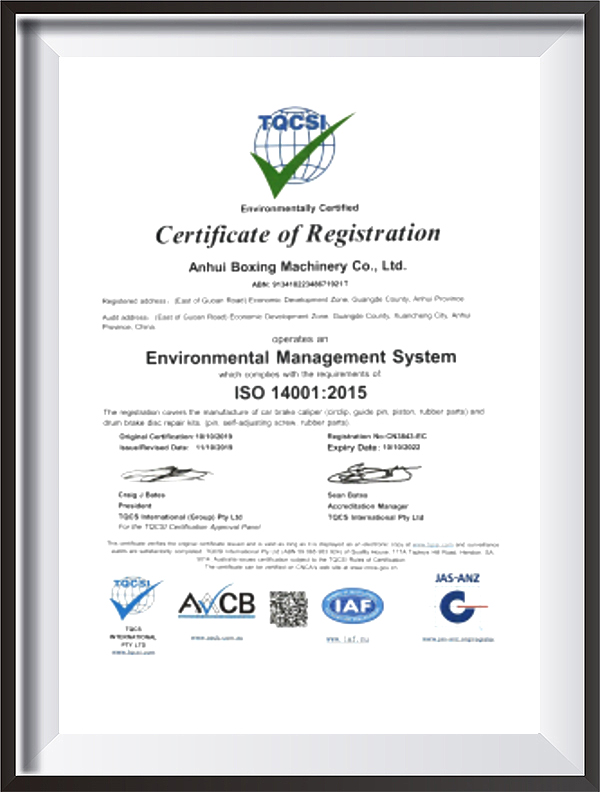
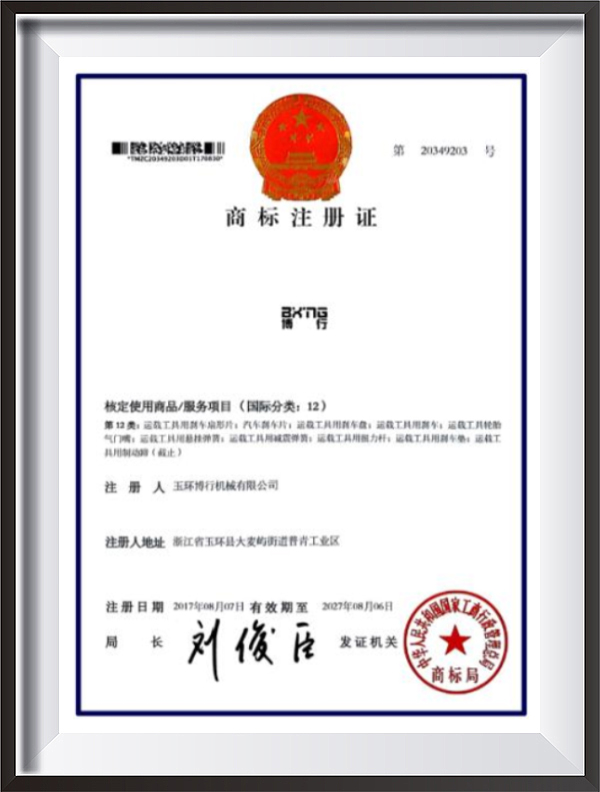
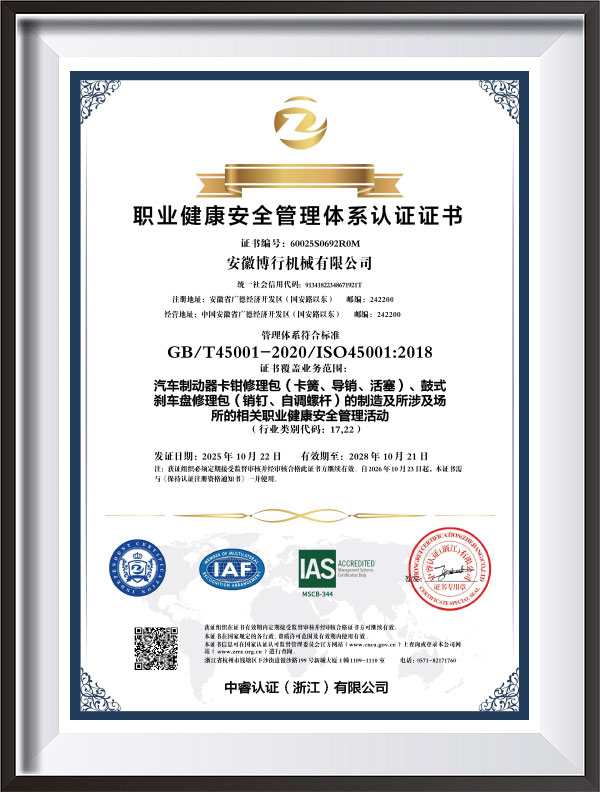
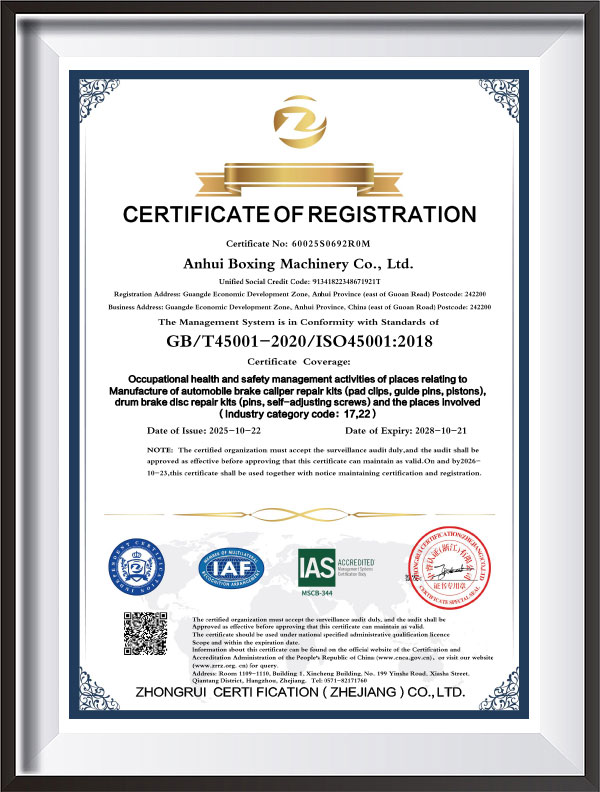
Certificate of Honor
Latest Updates
Industry knowledge
Comprehensive Guide to Oregon Mower Blades: Technology, Selection, and Manufacturing
In the professional landscaping and grounds maintenance industry, Oregon Mower Blades are synonymous with reliability, cutting performance, and innovation. For equipment managers, landscapers, and OEMs, understanding the engineering behind these blades and the capabilities of leading manufacturers is key to optimizing mowing operations. Companies like Anhui Boxing Machinery Co., Ltd. exemplify the advanced, integrated manufacturing that powers this sector. By consolidating mold design, precision stamping, heat treatment, and edge grinding into a single, controlled process, such manufacturers achieve the stringent quality, consistency, and scale—producing over 10 million blades annually—required to supply a global market spanning more than 30 countries.
The Integrated Manufacturing Process: From Raw Steel to Finished Edge
The performance of a professional mower blade is engineered at every stage of production. An integrated manufacturing approach ensures control over the critical variables that determine final quality, durability, and cut.
- Precision Tooling and Stamping: The process begins with high-tolerance mold design and stamping, which forms the blade's core geometry. Precision here ensures perfect balance and structural integrity from the very first step.
- Specialized Heat Treatment: This is the most critical phase for durability. Blades undergo precisely controlled quenching and tempering to achieve a target hardness range (typically HRC 50-58), creating a steel microstructure that optimally balances long-lasting sharpness with resistance to impact and fatigue.
- CNC Edge Grinding and Finishing: Computer-controlled grinding applies the final cutting edge with exact angles and a superior surface finish. This step is crucial for achieving a sharp, clean-cutting edge that reduces drag and power consumption.
- Comprehensive Quality Assurance: Rigorous testing protocols, including balance checks, hardness verification, corrosion resistance trials (like salt spray testing), and performance cuts, guarantee every blade meets industrial-grade standards before shipment.
Selecting the Right Blade: A Data-Driven Guide for Professionals
Choosing the correct mower blade is not one-size-fits-all; it requires matching the blade's specifications to the machine, material, and desired outcome. The wrong blade can lead to poor cut quality, increased wear on equipment, and higher operational costs.
Key Selection Parameters and Applications
| Parameter | Technical Considerations | Professional Application Guide |
| Blade Type & Design | High-Lift, Mulching, Low-Lift, Standard; wing design and lift angle. | Use High-Lift for superior bagging on fine turf. Choose Mulching blades for nutrient recycling when a clean, clippings-free finish is not required. Low-Lift blades are optimal for wet or dense grass conditions. |
| Size & Compatibility | Exact length (inches/cm), center hole diameter, bolt hole pattern, thickness. | Must be an exact match to the OEM specifications for your mower model to ensure safe operation, proper balance, and avoidance of deck strikes. |
| Material & Protective Coating | High-Carbon Steel, Alloy Steel; Zinc, Polymer, or Paint coatings. | Alloy steel offers enhanced strength for commercial/rough use. Anti-corrosion coatings are essential for longevity in coastal, humid, or frequently watered landscapes. |
| Operating Environment | Grass type, presence of abrasive soil/sand, moisture level, frequency of use. | For sandy soils or commercial daily use, specify blades made from premium, wear-resistant steels. In damp climates, prioritize coated blades to prevent rust. |
The Science Behind Durability: Materials and Metallurgy
The longevity and performance of a blade are fundamentally rooted in materials science. The journey from a raw steel blank to a fatigue-resistant cutting tool involves precise metallurgical transformation.
- Steel Grade Selection: The foundation is choosing the appropriate steel. High-carbon steels (e.g., 1075, 1080) are prized for their ability to take and hold a very sharp edge. Alloy steels (with elements like chromium and molybdenum) provide greater tensile strength and fatigue resistance for the most demanding commercial applications.
- The Heat Treatment Process: This controlled thermal cycle defines the blade's soul. It involves austenitizing (heating to a critical temperature), quenching (rapid cooling to form a hard martensite structure), and tempering (reheating to a lower temperature to reduce brittleness and achieve the perfect toughness-hardness balance).
- Performance Outcome: A correctly heat-treated blade resists abrasion (stays sharp longer), absorbs the shock of impacts without cracking, and withstands the cyclical bending stresses of millions of revolutions, directly translating to lower replacement frequency and total cost of ownership.
The Strategic Value of OEM/ODM Manufacturing Partnerships
For brands seeking market advantage, the choice of manufacturing partner is strategic. Moving beyond a simple supplier relationship to an OEM/ODM partnership unlocks innovation, efficiency, and customization.
| Partnership Model | Core Description | Strategic Value to Brands |
| OEM (Original Equipment Manufacturer) | Precise replication of a brand's proprietary blade design and specifications. | Guarantees supply chain reliability, maintains consistent product quality, and offers production cost efficiencies for established product lines. |
| ODM (Original Design Manufacturer) | A full-service collaboration from joint R&D and design through to prototyping and volume production. | Provides access to deep engineering expertise for co-developing innovative, differentiated products. Dramatically reduces time-to-market and internal R&D overhead, enabling rapid response to new trends like robotic mowing or sustainable landscaping. |
This collaborative framework allows brands to leverage the manufacturer's material expertise, process knowledge, and insights from global market trends to create next-generation products that address specific customer pain points and open new market segments.
Frequently Asked Questions (FAQ)
What are the signs that my commercial mower blade needs to be replaced, not just sharpened?
While sharpening restores the edge, replacement is necessary when the blade's structural integrity or geometry is compromised. Key signs include:
- Excessive Wear & Loss of Material: The blade is visibly shorter, thinner, or the cutting edge is rounded over beyond the original bevel.
- Deep Damage: Cracks, large nicks (over 1/4 inch), or bends that cannot be safely ground out without altering balance.
- Poor Balance: Persistent vibration even after cleaning, which indicates uneven wear or damage affecting the blade's center of mass.
- Fatigue Failure Indicators: Visible stress lines or "smearing" of the metal near the mounting hole.
Continuing to use a blade in this condition risks catastrophic failure, poor cut quality, and accelerated wear on your mower's spindle and engine.
How does blade balance directly impact my mower's performance and longevity?
An unbalanced blade acts like an off-center weight spinning at high RPM (often over 3,000 revolutions per minute). The effects are significant:
- Vibration: This is the primary symptom. Excessive vibration is transmitted through the spindle to the mower's chassis, causing discomfort for the operator.
- Mechanical Stress: Vibration accelerates wear on critical components, including spindle bearings, seals, and engine crankshaft bearings, leading to premature and costly failures.
- Cut Quality: An unbalanced blade does not run true, resulting in an uneven cutting height and a "scalped" or wavy lawn appearance.
Reputable manufacturers perform dynamic balancing on professional blades to minimize this, a critical step in the Oregon Mower Blade manufacturing process that protects your larger equipment investment.
For a landscaping business, is it more cost-effective to sharpen blades in-house or use a replacement program?
The most cost-effective strategy is a hybrid approach that considers volume, labor, and downtime:
| Factor | In-House Sharpening | Blade Replacement Program |
| Upfront Cost | Higher (grinder, safety equipment, labor training). | Lower (no capital equipment needed). |
| Operational Cost | Lower per-sharpen cost for consumables. | Higher per-unit cost for new blades. |
| Downtime & Labor | Significant. Requires taking equipment offline, skilled labor time for grinding, balancing, and re-installation. | Minimal. Swap a worn blade for a new, pre-balanced one in minutes, maximizing equipment uptime. |
| Consistency & Quality | Variable, depends heavily on operator skill. Risk of overheating the steel or altering balance. | Consistently high, as every blade is factory-fresh with perfect geometry and balance. |
Many successful commercial operations use a replacement program for peak season efficiency and keep a few sharpened spares for backups, or partner with a local professional sharpening service that guarantees balance.
What specific advancements in Oregon-style blades are emerging for robotic lawn mowers?
Robotic mower blades represent a specialized niche with unique engineering requirements, driving focused innovation from ODM partners:
- Lightweight & Low-Power Designs: Blades are smaller, lighter, and designed to operate efficiently at lower RPMs to maximize battery life.
- Enhanced Safety Geometry: Designs often feature more enclosed or proprietary mounting systems that minimize the risk of ejection or contact during automatic operation.
- Extreme Durability Materials: Given their near-continuous operation, robotic mower blades utilize premium wear-resistant steels and advanced coatings to achieve lifespans of weeks or months between changes, despite their small size.
- Precision Consistency: The automated nature of robotic mowing demands absolute consistency in blade performance and balance across massive production runs, a core strength of integrated manufacturers like Anhui Boxing Machinery Co., Ltd.
Can a manufacturer customize blade coatings for specific environmental challenges, like salt air or chemical treatments?
Absolutely. This is a key area where ODM collaboration provides value. Beyond standard zinc plating, manufacturers can apply specialized coatings:
- Enhanced Corrosion Protection: For coastal areas, thicker electroplated zinc, zinc-nickel alloys, or advanced polymer coatings offer superior salt spray resistance.
- Chemical Resistance: For turf treated frequently with fertilizers or herbicides, specific epoxy or powder coatings can be formulated to resist chemical attack and prevent premature coating failure.
- Dry Film Lubricants: Coatings like molybdenum disulfide can be applied to reduce friction and gumming in sticky, wet grass conditions.
- Custom Color Matching: Branding through color is possible with powder coating, allowing blades to be matched to a specific mower brand's color scheme for a premium, OEM look.
Discussing the exact operating environment with your manufacturing partner allows them to recommend the optimal surface treatment for maximum blade life.
Contact Us And Get A Quote
Priority To Learn About Our New Products
 Add: North of Guo'an Road, Economic Development Zone, Guangde County, Anhui,China
Mob: +86-13967663706
E-mail: [email protected]
Add: North of Guo'an Road, Economic Development Zone, Guangde County, Anhui,China
Mob: +86-13967663706
E-mail: [email protected]
Copyright © 2025 Anhui Boxing Machinery Co., Ltd All Rights Reserved.Wholesale Oregon Lawn Mower Blade Manufacturers
