

 English
 русский
 中文简体
中文简体 Español

Product Category
-
Husqvarna
-
Jonsered
-
MTD
-
STIGA
-
AYP
-
SIMPLICITY
-
John Deere
-
FERRIS
-
HUSTLER
-
CUB
-
AL-KO
-
SOLO
-
Bolens
-
Craftsman
-
Massey
-
EGO
-
PerfektGarten
-
Oleo Mac
-
Poulan
-
Troy
-
MPN
-
BadBoy
-
Bobcat
-
Bunton
-
Encore
-
Exmark
-
Gravely
-
Jacobsen
-
Oregon
-
Rotary
-
Bad Boy
-
Dixie Chopper
-
Dixon
-
Weibang
-
BOSCH
-
Castelgarden
-
VIKING
-
McCulloch
-
PowerSmart
-
Honda
-
DR Power Equipment
-
Land Pride
-
Spartan
-
Giant
-
Great Dane
-
Kees
-
Worldlawn
-
Wright Mfg
-
Yazoo
-
LastecP
-
Lesco
-
Murray
-
Ransomes
-
Woods
-
Cub Cadet
-
Castel Garden
-
Billy Goat
-
Yamaha
-
Flymo
-
Trex
-
Sabo
-
Greenworks
-
RYOBI
-
Fuxtec
-
Fieldmann
-
Scheppach
-
ETESIA
-
WOLF
-
ALO-KO
-
ALM
-
Atom
Contact Us
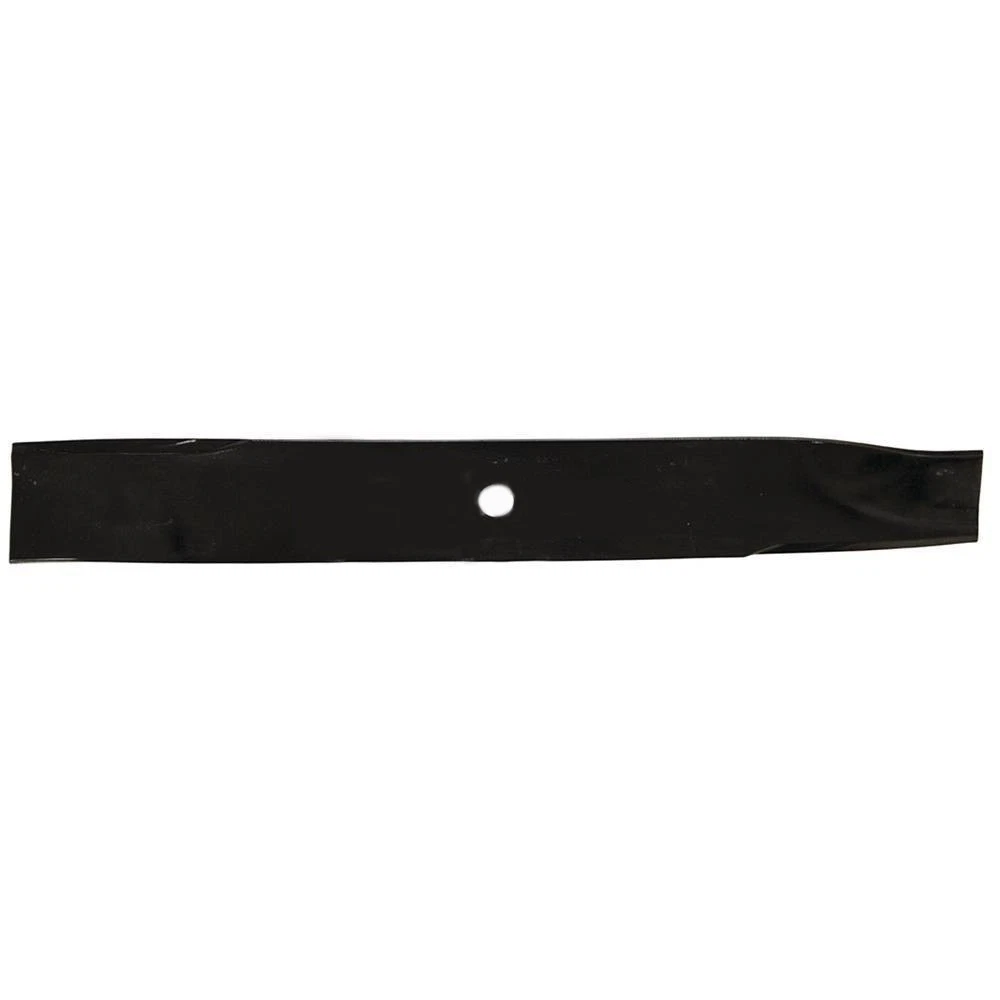
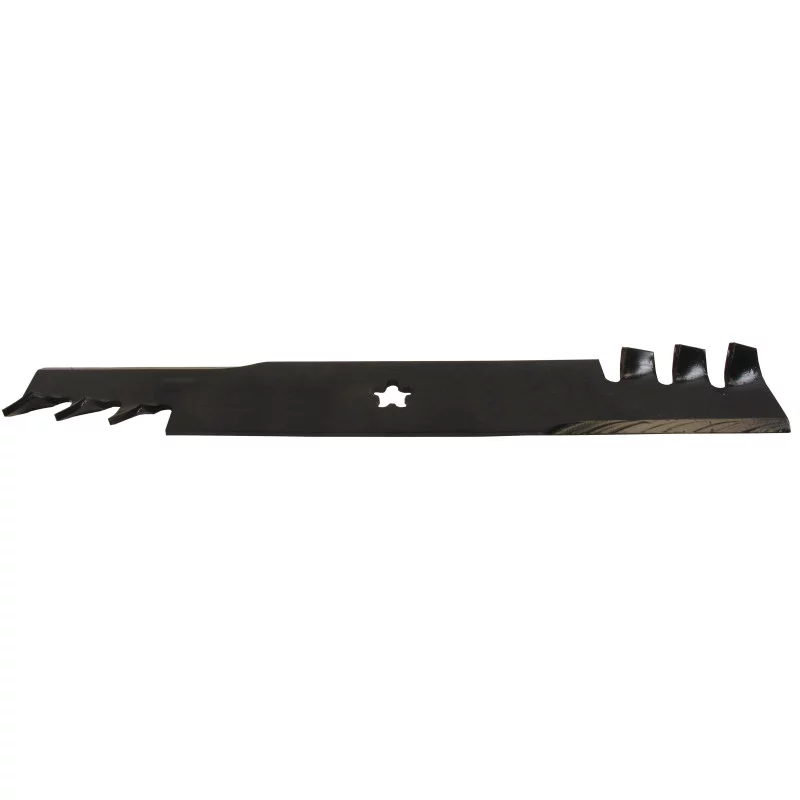
Rotary Lawn Mower Blade Manufacturers
About Boxing
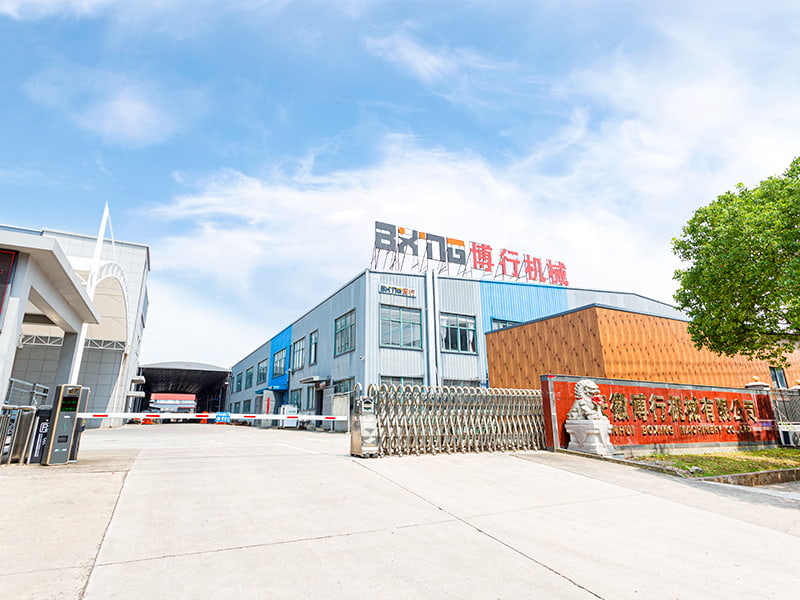
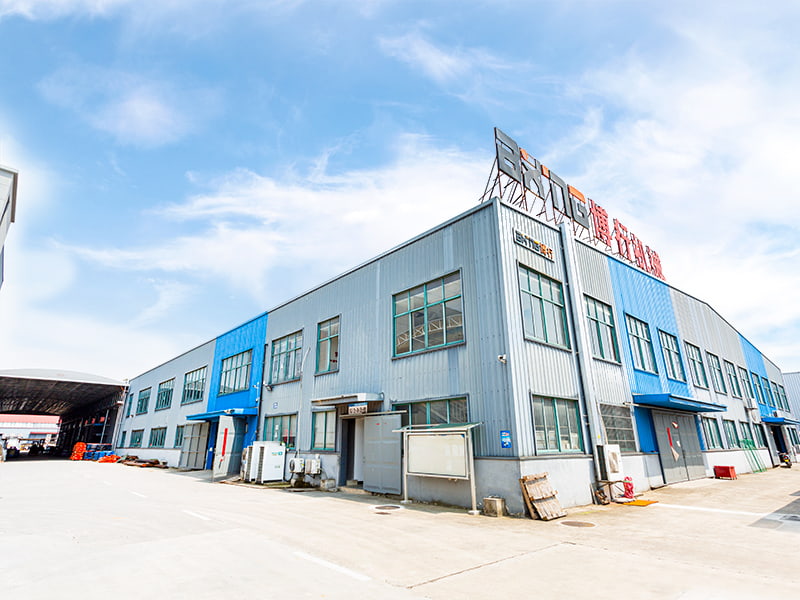
Anhui Boxing Machinery Co., LTD was founded in 2008.The company is located in North of Guo’an Road, Guangde economic development zone,Anhui province,mainly produces metal stamping parts and all kinds of garden tools.We are China Wholesale Rotary Lawn Mower Blade Manufacturers and OEM/ODM Rotary Lawn Mower Blade Company.
In the pursuit of the ultimate goal that green mountains and clear waters are invaluable assets and constantly adapt to the new demands of the market, the company began to enter the garden machinery industry since 2013.we are specializing in the manufacture and produce all kinds of garden tools and accessories, the main hedge machine blade, cutting machine blade, tea picking machine blade and other related products. We select high-quality materials with different heat treatment processes and create each tool carefully.
After countless times of grinding and testing to ensure that they are not only sharp and durable but also lightweight and comfortable.
After more than 10 years of development, the company has a strong technical reserve and strong production capacity. In the fierce market competition, the company has been relying on excellent product quality, reasonable product prices and constantly improves the product process to strengthen the ability of professional production. We put the benefits to customers and achieve excellence. Our products open the domestic market. At the same time, the garden machinery which provided by us has been exported to Europe , the United States and won the trust with praise of customers.
We provide professional after-sales service to ensure that customers have a worry-free experience in the process of buying and using Blades.
At the same time, we also provide personalized services so that the Blades accompany you to spend every morning and evening and will become a part of your life, witness your growth and change.
We will carve an exclusive nameplate for each knife, engraved with your name or special logo so that it will continue the emotion in your life, inherit the story.
Adhering to the development and business model of ‘quality first, customer demands first, do great things,for great love’, we welcome manufacturers from all over the world to contact us .Looking forward to cooperating with you as soon as possible!
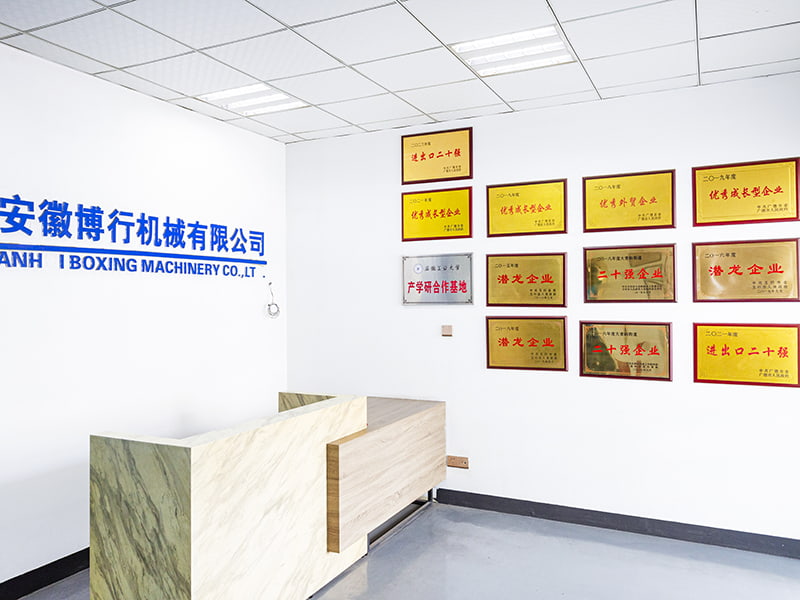
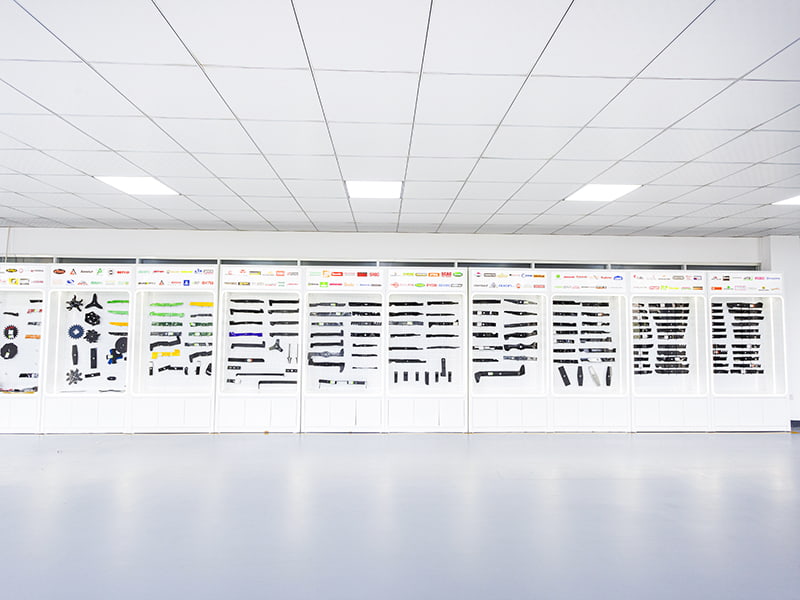
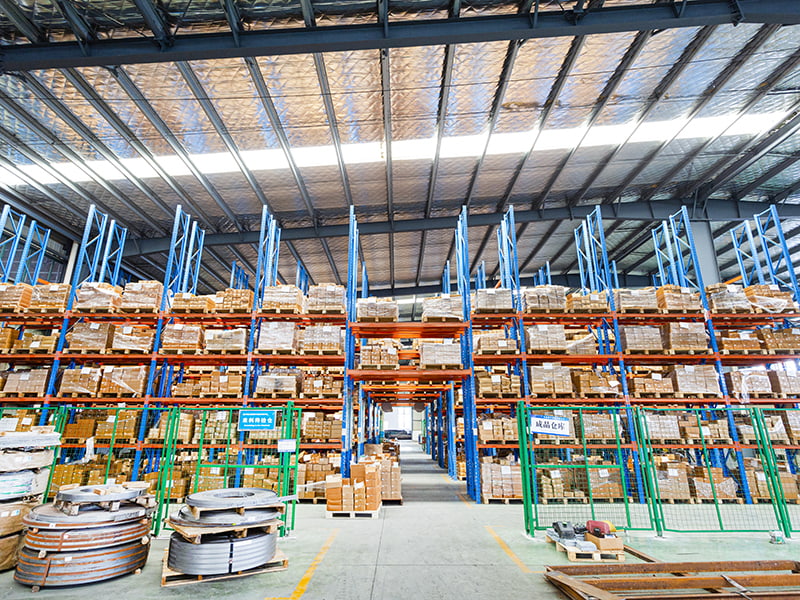
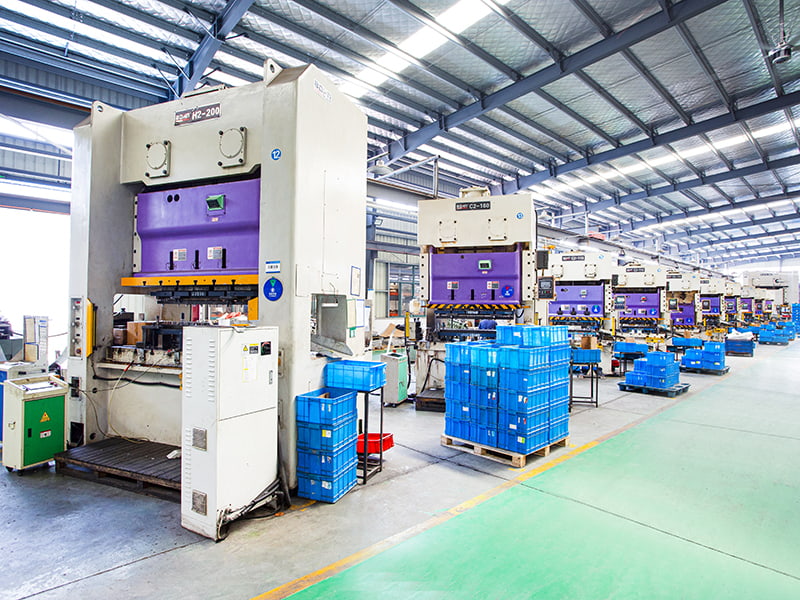
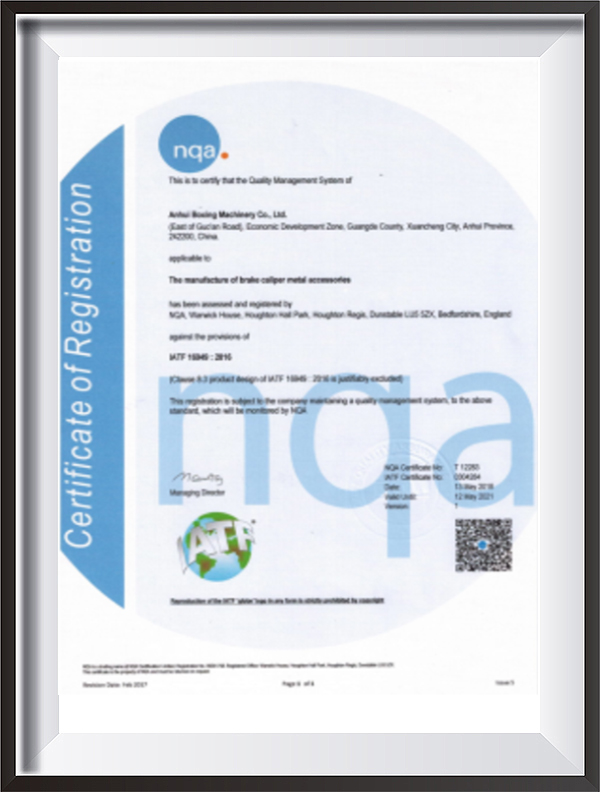
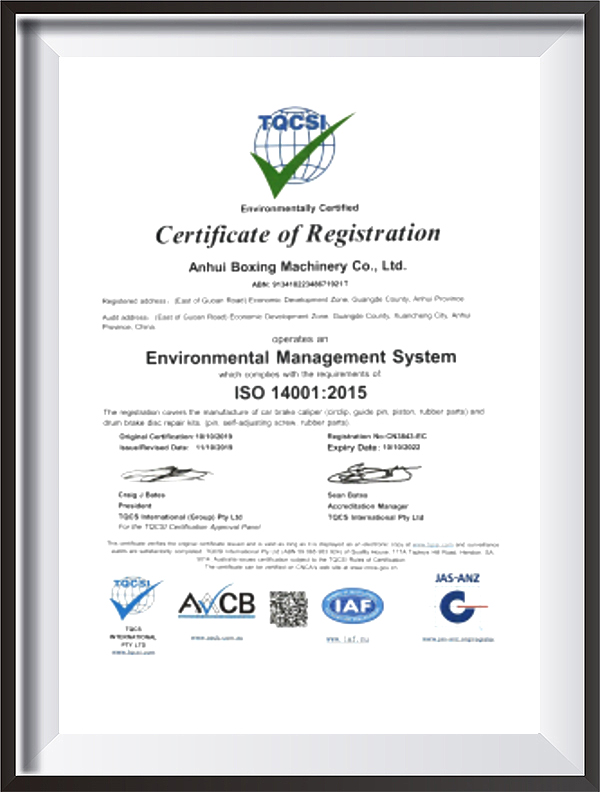
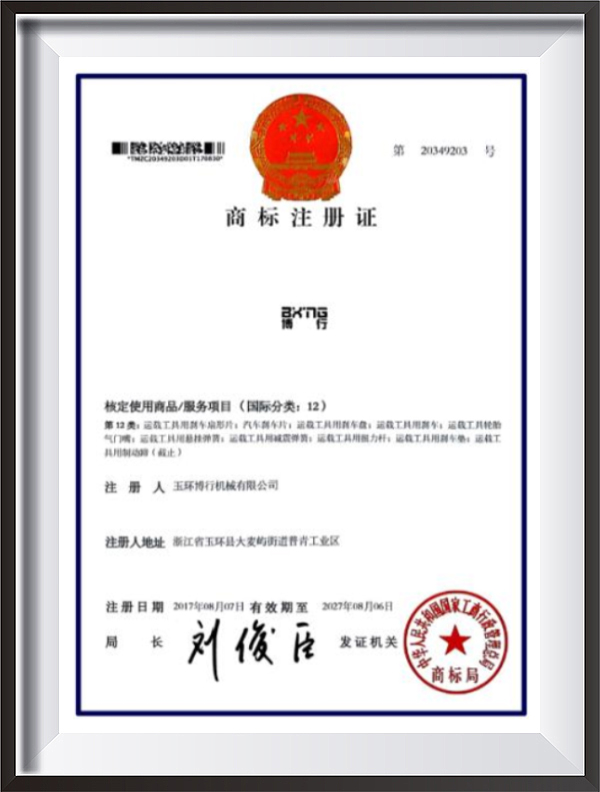
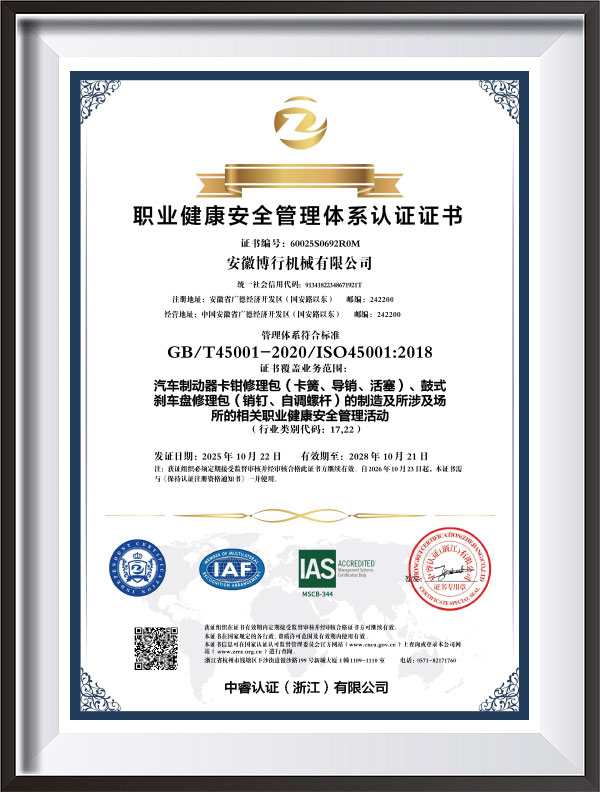
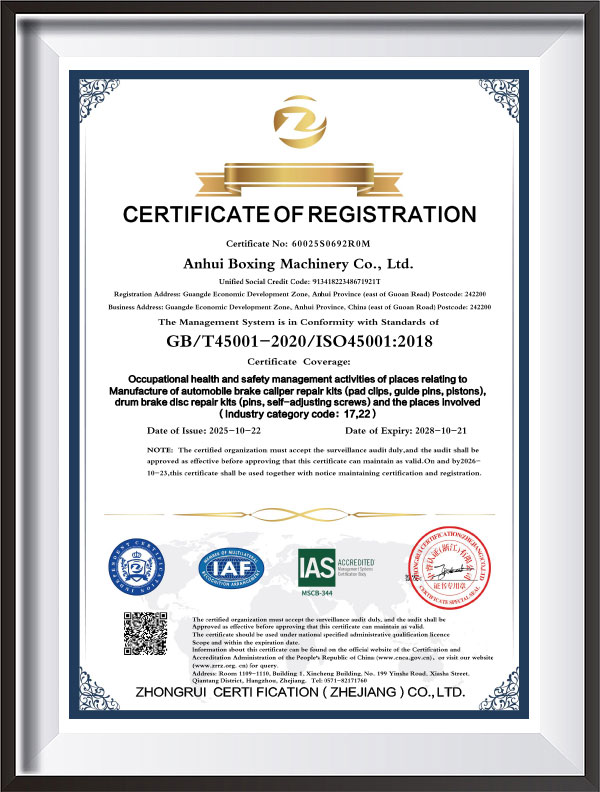
Certificate of Honor
Latest Updates
Industry knowledge
The Comprehensive Guide to Rotary Mower Blades: From Engineering to Application
The rotary mower is a cornerstone of modern lawn care, but its true performance hinges on one critical component: the blade. A high-quality Rotary Mower Blade is the difference between a ragged, unhealthy lawn and a pristine, professionally manicured landscape. This guide delves into the industry knowledge behind these essential tools, exploring the engineering, materials, and selection criteria that define a superior blade. Drawing on the extensive expertise of Anhui Boxing Machinery Co., Ltd., we uncover the technology that powers everything from residential lawns to vast commercial turf.
1. The Anatomy of Excellence: Core Manufacturing Processes
An industrial-grade rotary mower blade is a product of precise engineering and controlled manufacturing. Its performance is determined by a series of critical processes that transform raw steel into a high-performance cutting tool.
Key Manufacturing Stages:
- Mold Design: The process begins with a meticulously engineered mold that dictates the blade's final shape, including its aerodynamic profile and mounting holes.
- Precision Stamping: High-strength steel is placed in a press and stamped using the custom mold, forming the blade with incredible accuracy and consistency.
- Heat Treatment: The stamped blade undergoes a controlled heating and cooling process (quenching and tempering). This vital step enhances the steel's hardness for wear resistance while adding toughness to prevent shattering.
- Edge Grinding: The final step is precision grinding, which creates a sharp, uniform cutting edge. A finely honed edge ensures a clean cut that promotes healthier turf by tearing grass blades less.
With over 19 years of expertise, Anhui Boxing Machinery Co., Ltd. integrates these four core stages—mold design, precision stamping, heat treatment, and edge grinding—under one roof. This vertical integration, supported by an annual output exceeding 10 million blades, allows for uncompromising quality control from start to finish.
2. Choosing the Right Tool: High-Lift vs. Mulching vs. 3-in-1 Blades
Selecting the correct blade type is crucial for achieving the desired result. The design of a blade directly influences its function, making it essential to match the blade to the application.
| Blade Type | Primary Function | Best Use Case |
| High-Lift Blade | Creates strong vertical suction for discharging clippings. | Bagging or side-discharging clippings for a clean, manicured look. |
| Mulching Blade | Cuts clippings into fine pieces to be returned to the soil. | Naturally fertilizing the lawn; reducing yard waste and cleanup time. |
| 3-in-1/Multi-Purpose | A hybrid design capable of bagging, side-discharging, and mulching. | Homeowners and professionals who need versatility for different conditions. |
| Low-Lift Blade | Generates minimal airflow. | Mowing in dusty or sandy conditions to prevent debris from clogging the engine. |
As a leading custom industrial-grade mower blade manufacturer, Anhui Boxing produces a wide range of these blade types, ensuring that every application in the gardening sector is covered with a purpose-built solution.
3. Beyond Sharpness: The Critical Role of Dynamic Balance and Material Science
Two technical factors that separate professional-grade blades from standard ones are dynamic balance and advanced material science. Both are critical for performance, safety, and longevity.
Dynamic Balance:
A blade spinning at thousands of RPMs must be perfectly balanced. Any imbalance, however slight, causes significant vibration. This vibration stresses the mower's spindle, bearings, and engine, leading to premature wear and potential failure. Professional blades are meticulously balanced to ensure smooth operation.
Material Science:
The choice of steel is fundamental. High-carbon steel offers a great balance of hardness and flexibility, making it a popular choice. For more demanding applications, alloy steels provide superior wear resistance and strength. The heat treatment process is then tailored to the specific material to unlock its optimal properties. Anhui Boxing's advanced testing equipment and strict quality management system ensure that every blade meets precise material and balance specifications.
4. Global Supply Chain: The Backbone of OEM/ODM Excellence
For international brands, a reliable supply chain is as important as the product itself. An OEM/ODM partner must deliver consistent quality, on time, every time. This requires a robust infrastructure and a commitment to quality assurance.
Anhui Boxing Machinery Co., Ltd. excels in this area as a premier OEM/ODM industrial-grade mower blade supplier. Their ability to export to over 30 countries across Europe, the Americas, Southeast Asia, and the Middle East demonstrates a mature global logistics network. This stable delivery, combined with continuous innovation, has forged long-term partnerships with many international brands who rely on their expertise and manufacturing power.
FAQ
How do I know what size rotary mower blade I need?
To find the correct size, you must measure your old blade accurately. You will need three key measurements: the Length (measure from end to end, measuring diagonally if the holes are offset), the Width, and the Center Hole Diameter. Additionally, note the number and distance between any outer holes. The safest method, however, is to use your mower's model number to find the OEM part number for the correct blade, ensuring a perfect fit.
Can I sharpen my rotary mower blade, and how often should I do it?
Yes, you can and should sharpen your rotary mower blade regularly. For the average homeowner, sharpening once or twice per mowing season is sufficient. For professional use, blades should be sharpened after every 20-25 hours of operation. Use a file or a bench grinder to sharpen the cutting edge at the existing angle, being careful not to remove too much metal. After sharpening, always check the blade for balance before reinstalling it.
What is the difference between a standard blade and a "Gator" or "Magnum" style blade?
"Gator" and "Magnum" are brand names for a style of aggressive, multi-purpose blade. These blades typically feature a serrated or toothed back edge, often combined with a high-lift design. The serrations help to shred leaves, twigs, and thick weeds more effectively than a standard blade. They are excellent for fall cleanup or for mowing in overgrown areas, acting as a hybrid between a mower blade and a mulcher.
Is it safe to use a cracked or bent rotary mower blade if I sharpen it?
Absolutely not. A blade that is cracked, bent, or heavily worn must be replaced immediately. Sharpening a damaged blade will not restore its structural integrity. A bent blade will be out of balance, causing severe vibration that can destroy your mower's engine and spindle. A cracked blade can shatter under the high forces of mowing, turning into a dangerous projectile. Always prioritize safety and replace any blade that shows signs of structural damage.
Contact Us And Get A Quote
Priority To Learn About Our New Products
 Add: North of Guo'an Road, Economic Development Zone, Guangde County, Anhui,China
Mob: +86-13967663706
E-mail: [email protected]
Add: North of Guo'an Road, Economic Development Zone, Guangde County, Anhui,China
Mob: +86-13967663706
E-mail: [email protected]
Copyright © 2025 Anhui Boxing Machinery Co., Ltd All Rights Reserved.Wholesale Rotary Lawn Mower Blade Manufacturers
