

 English
 русский
 中文简体
中文简体 Español

Product Category
-
Husqvarna
-
Jonsered
-
MTD
-
STIGA
-
AYP
-
SIMPLICITY
-
John Deere
-
FERRIS
-
HUSTLER
-
CUB
-
AL-KO
-
SOLO
-
Bolens
-
Craftsman
-
Massey
-
EGO
-
PerfektGarten
-
Oleo Mac
-
Poulan
-
Troy
-
MPN
-
BadBoy
-
Bobcat
-
Bunton
-
Encore
-
Exmark
-
Gravely
-
Jacobsen
-
Oregon
-
Rotary
-
Bad Boy
-
Dixie Chopper
-
Dixon
-
Weibang
-
BOSCH
-
Castelgarden
-
VIKING
-
McCulloch
-
PowerSmart
-
Honda
-
DR Power Equipment
-
Land Pride
-
Spartan
-
Giant
-
Great Dane
-
Kees
-
Worldlawn
-
Wright Mfg
-
Yazoo
-
LastecP
-
Lesco
-
Murray
-
Ransomes
-
Woods
-
Cub Cadet
-
Castel Garden
-
Billy Goat
-
Yamaha
-
Flymo
-
Trex
-
Sabo
-
Greenworks
-
RYOBI
-
Fuxtec
-
Fieldmann
-
Scheppach
-
ETESIA
-
WOLF
-
ALO-KO
-
ALM
-
Atom
Contact Us
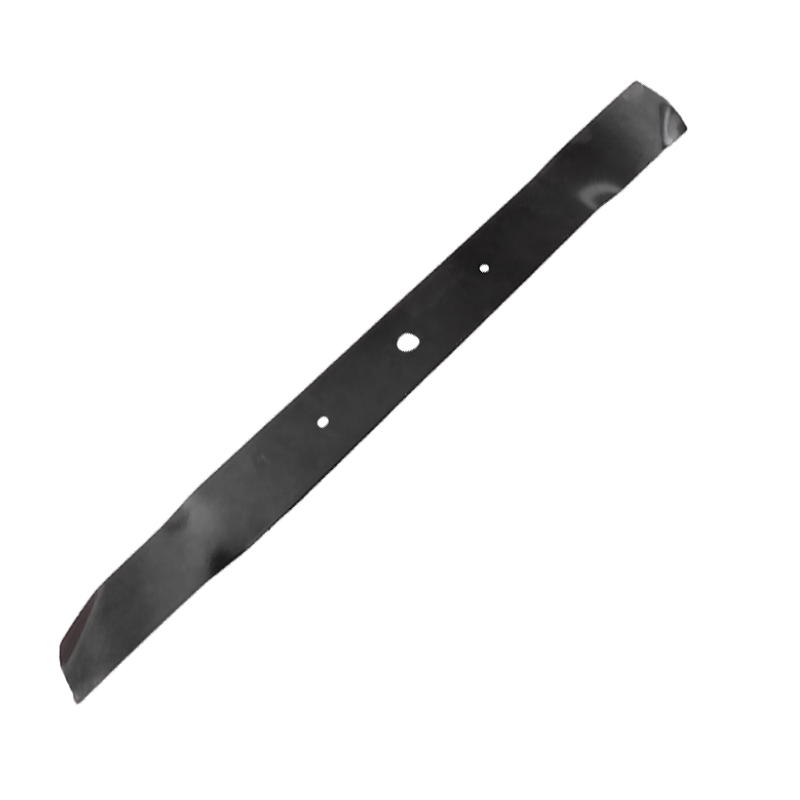
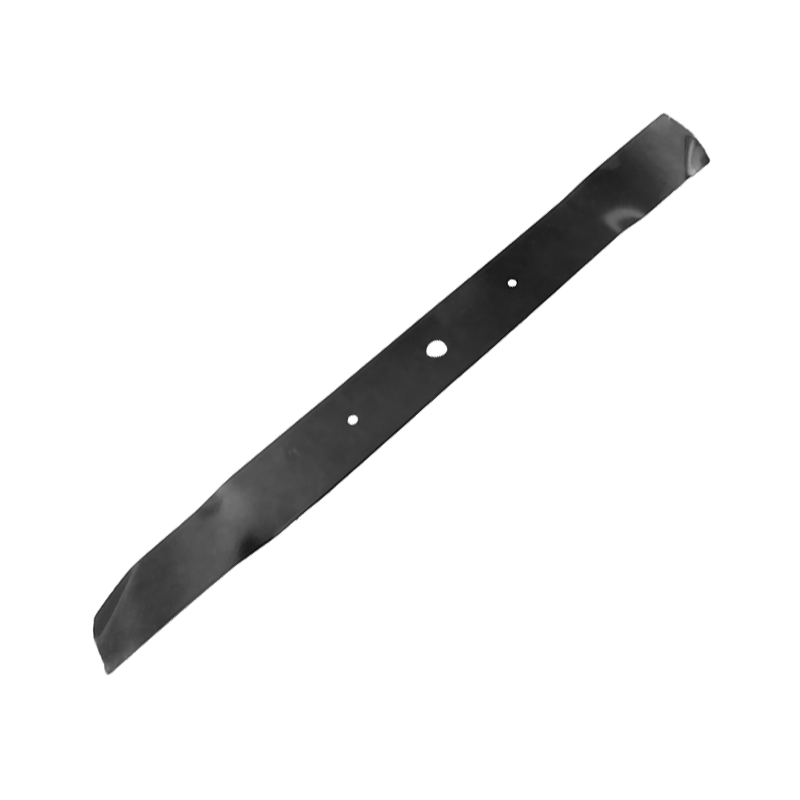
SOLO Lawn Mower Blade Manufacturers
About Boxing
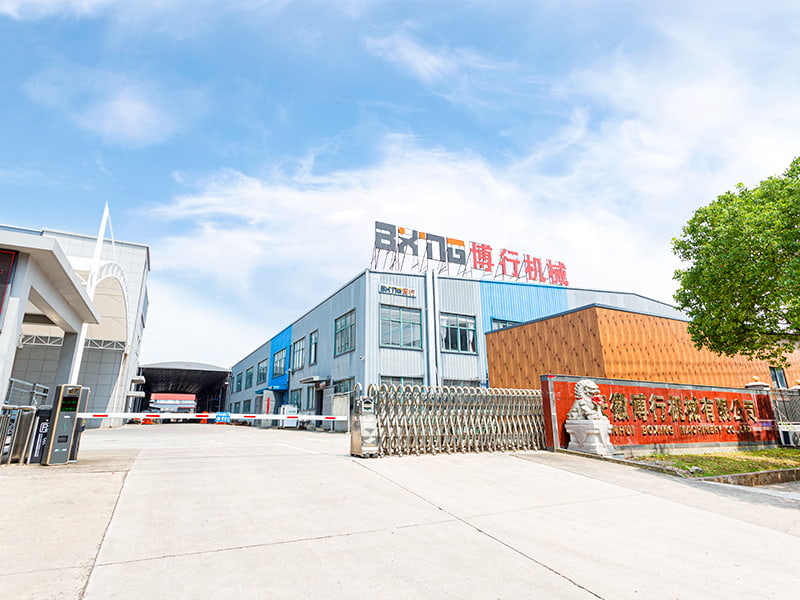
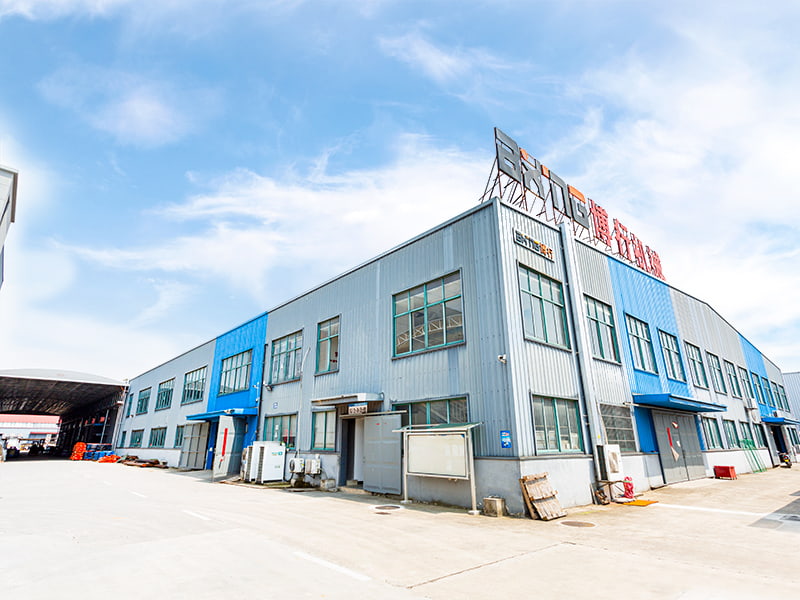
Anhui Boxing Machinery Co., LTD was founded in 2008.The company is located in North of Guo’an Road, Guangde economic development zone,Anhui province,mainly produces metal stamping parts and all kinds of garden tools.We are China Wholesale SOLO Lawn Mower Blade Manufacturers and OEM/ODM SOLO Lawn Mower Blade Company.
In the pursuit of the ultimate goal that green mountains and clear waters are invaluable assets and constantly adapt to the new demands of the market, the company began to enter the garden machinery industry since 2013.we are specializing in the manufacture and produce all kinds of garden tools and accessories, the main hedge machine blade, cutting machine blade, tea picking machine blade and other related products. We select high-quality materials with different heat treatment processes and create each tool carefully.
After countless times of grinding and testing to ensure that they are not only sharp and durable but also lightweight and comfortable.
After more than 10 years of development, the company has a strong technical reserve and strong production capacity. In the fierce market competition, the company has been relying on excellent product quality, reasonable product prices and constantly improves the product process to strengthen the ability of professional production. We put the benefits to customers and achieve excellence. Our products open the domestic market. At the same time, the garden machinery which provided by us has been exported to Europe , the United States and won the trust with praise of customers.
We provide professional after-sales service to ensure that customers have a worry-free experience in the process of buying and using Blades.
At the same time, we also provide personalized services so that the Blades accompany you to spend every morning and evening and will become a part of your life, witness your growth and change.
We will carve an exclusive nameplate for each knife, engraved with your name or special logo so that it will continue the emotion in your life, inherit the story.
Adhering to the development and business model of ‘quality first, customer demands first, do great things,for great love’, we welcome manufacturers from all over the world to contact us .Looking forward to cooperating with you as soon as possible!
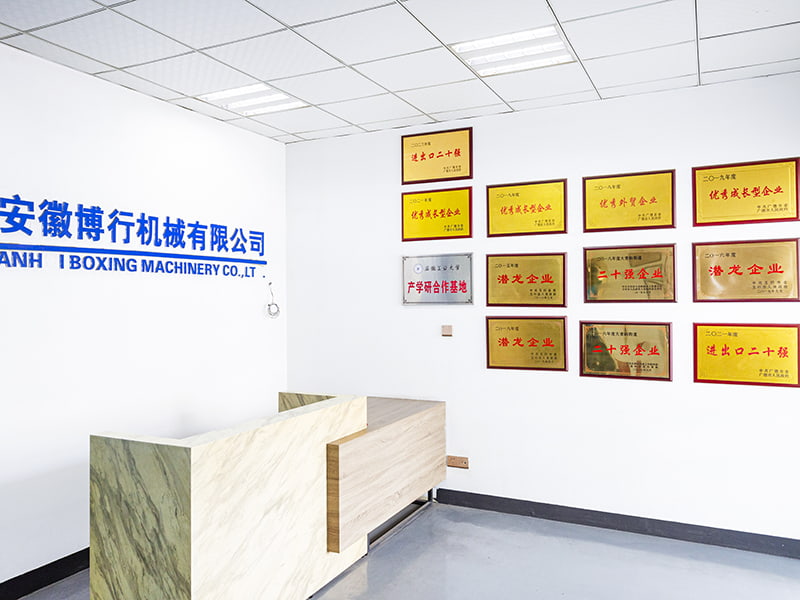
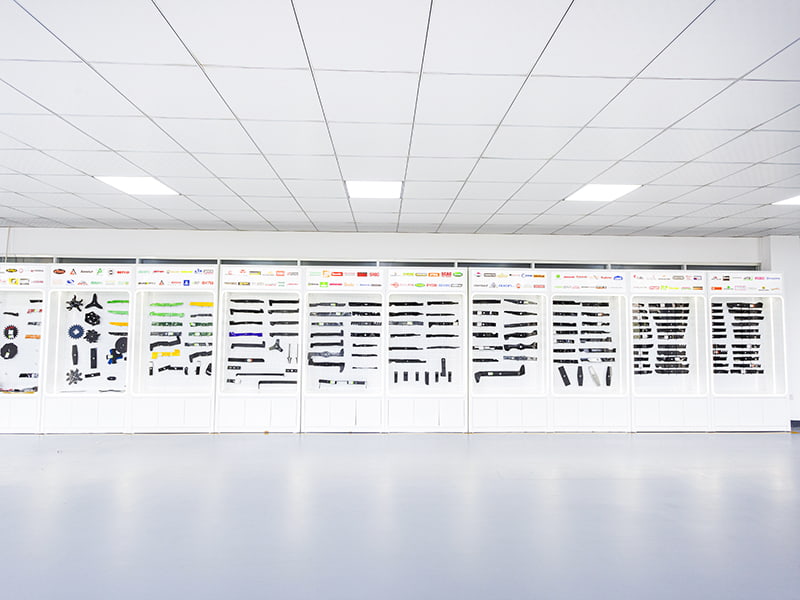
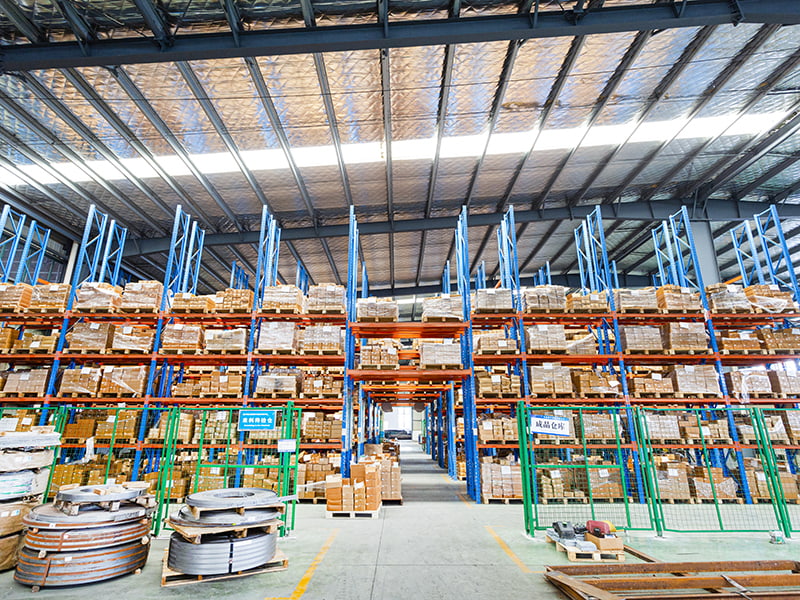
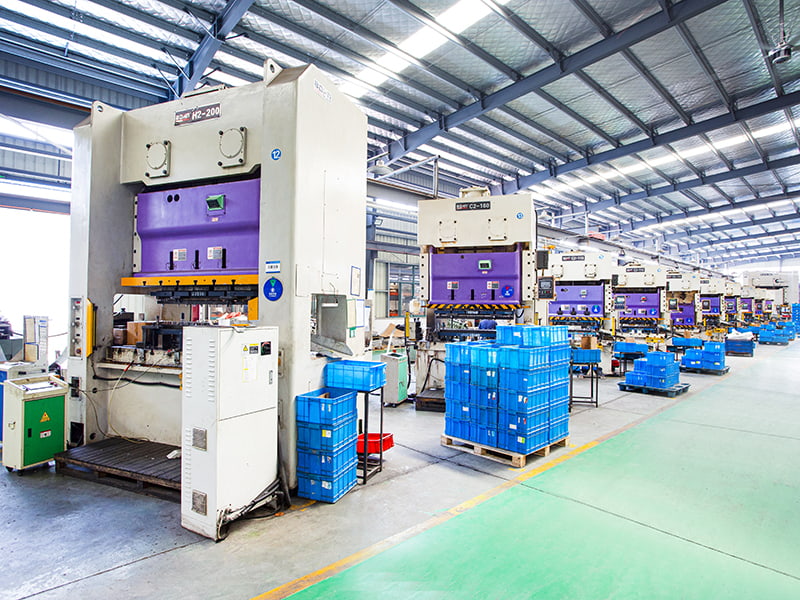
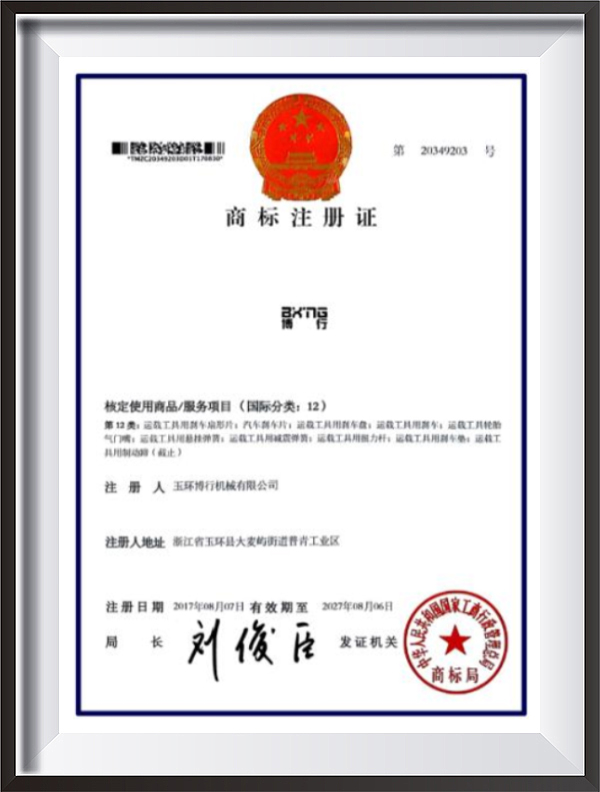
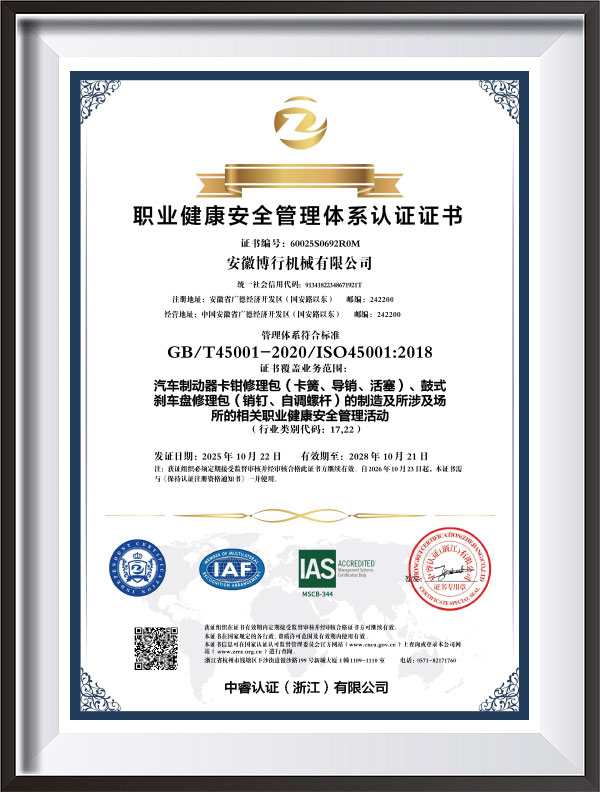
Certificate of Honor



Latest Updates
Industry knowledge
Why Is Blade Design Critical to the Performance of a SOLO Mower Blade?
Introduction
In professional lawn care and garden maintenance, cutting efficiency is determined not only by the mower itself but, more critically, by the blade mounted beneath it. Among various blade types, the SOLO mower blade has gained consistent attention for its balance of sharpness, durability, and adaptability across different mowing conditions. As mowing equipment continues to evolve toward higher efficiency and lower maintenance requirements, understanding the technical characteristics, material logic, and application principles of a SOLO mower blade becomes essential for both equipment operators and procurement professionals.
Understanding the Role of a SOLO Mower Blade
A mower blade is not simply a cutting edge; it is a precision component responsible for grass cutting quality, airflow generation, debris discharge, and overall machine efficiency.
From an engineering perspective, the blade must fulfill several simultaneous functions:
- Deliver a clean and uniform cut
- Maintain structural stability at high rotational speeds
- Resist wear, corrosion, and impact damage
- Support balanced airflow for grass lifting and discharge
The effectiveness of a SOLO mower blade lies in how well these functions are integrated into a single component without compromising safety or longevity.
Core Design Characteristics of a SOLO Mower Blade
The structural design of a SOLO mower blade is guided by both mechanical dynamics and agronomic requirements. Rather than focusing on extreme sharpness alone, the blade profile emphasizes controlled cutting and sustained performance.
Key design elements include:
- Blade Geometry: Optimized cutting angles ensure grass is sliced cleanly rather than torn, reducing plant stress and improving lawn appearance.
- Thickness Distribution: Reinforced central zones enhance impact resistance, while tapered edges maintain cutting efficiency.
- Balance Precision: Accurate weight distribution minimizes vibration, protecting the mower spindle and improving operator comfort.
- Edge Configuration: Depending on application, blades may feature straight, slightly curved, or uplifted edges to enhance airflow.
These design principles allow the SOLO mower blade to perform consistently across residential, commercial, and semi-professional mowing environments.
Material Selection and Metallurgical Logic
Material choice is fundamental to blade performance. A SOLO mower blade typically relies on high-quality steel grades selected for their balance of hardness, toughness, and fatigue resistance.
Rather than pursuing maximum hardness—which can lead to brittleness—manufacturers aim for controlled mechanical properties that support real-world use. The core objectives of material selection include:
- Maintaining edge retention over extended use
- Absorbing impact from stones or hard debris
- Preventing micro-cracks under repeated stress cycles
- Resisting corrosion in humid or chemically treated lawns
Advanced heat treatment processes are often applied to refine grain structure and enhance surface durability without compromising internal toughness. This metallurgical balance is one of the defining factors behind the reliability of a well-made SOLO mower blade.
Heat Treatment and Manufacturing Processes
Heat treatment is not a single step but a controlled sequence of processes that directly influence blade lifespan and safety. For mower blades, this process determines how the blade behaves under load, impact, and prolonged rotation.
Typical manufacturing stages include:
- Precision Blanking or Forging – Ensures dimensional accuracy and structural consistency
- Controlled Heat Treatment – Adjusts hardness and toughness through quenching and tempering
- Edge Grinding and Polishing – Achieves sharpness while preserving edge stability
- Dynamic Balancing – Reduces vibration and operational stress
- Surface Treatment – Enhances corrosion resistance and wear performance
Anhui Boxing Machinery Co., Ltd. emphasizes repeated grinding, testing, and inspection to ensure that each blade achieves a consistent balance between sharpness, durability, and lightness. This process-driven approach is critical in producing blades suitable for long-term professional use.
Performance Characteristics in Practical Use
The real value of a SOLO mower blade is revealed during operation. Performance is not measured by cutting force alone but by how consistently the blade performs over time.
Key performance indicators include:
- Cut Quality: Clean cuts promote healthier grass growth and reduce discoloration
- Operational Stability: Balanced blades reduce vibration and noise
- Durability: Resistance to edge chipping and deformation extends service life
- Efficiency: Proper airflow improves grass lift and discharge, reducing re-cutting
In practical mowing scenarios, a well-designed SOLO mower blade contributes to reduced fuel consumption, smoother operation, and lower maintenance demands on the mower itself.
Application Scenarios and Compatibility
A SOLO mower blade is typically used in a wide range of lawn care applications, including:
- Residential lawn maintenance
- Public green space management
- Landscape service operations
- Orchard and garden pathways
Blade selection must align with mower specifications, grass density, and cutting frequency. Choosing the correct blade type—standard, mulching, or high-lift—ensures the mower operates within its intended performance envelope.
Below is a simplified comparison table illustrating common blade application logic:
| Application Environment | Recommended Blade Feature | Performance Focus |
|---|---|---|
| Residential lawns | Standard cutting edge | Clean appearance |
| Dense or wet grass | Enhanced lift design | Efficient discharge |
| Mulching operations | Multi-edge profile | Fine grass recycling |
| Extended operation use | Reinforced structure | Durability |
This approach helps users match the SOLO mower blade configuration to real-world mowing conditions.
Maintenance and Service Life Considerations
Proper maintenance is essential to preserving blade performance and ensuring operational safety. Even the highest-quality SOLO mower blade requires routine inspection and care.
Best practices include:
- Regular visual checks for cracks or deformation
- Periodic sharpening using controlled grinding methods
- Maintaining blade balance after sharpening
- Replacing blades that show structural fatigue
Professional after-sales service plays an important role in this process. Anhui Boxing Machinery Co., LTD emphasizes customer support throughout the blade lifecycle, ensuring users receive guidance on installation, maintenance, and replacement, contributing to a worry-free usage experience.
Safety and Operational Reliability
Safety is a non-negotiable aspect of mower blade design. At high rotational speeds, even minor defects can lead to severe equipment damage or injury.
A properly manufactured SOLO mower blade reduces safety risks by:
- Maintaining structural integrity under load
- Preventing unexpected blade failure
- Minimizing excessive vibration
- Ensuring secure mounting compatibility
Consistent quality control during production is therefore not just a performance requirement but a safety imperative.
Customization and Personalized Blade Solutions
As garden equipment becomes more specialized, demand for customized components is increasing. Beyond standard blade dimensions and hole patterns, personalization now extends to branding and identification.
Some manufacturers offer value-added services such as:
- Customized blade specifications
- Application-specific edge geometry
- Engraved nameplates or logos for identification
Anhui Boxing Machinery Co., LTD provides personalized services, including carving exclusive nameplates engraved with customer names or special logos. This not only enhances brand recognition but also supports asset management and professional presentation in commercial operations.
Conclusion
The SOLO mower blade represents more than a replaceable mower component; it is a precision-engineered tool that directly influences cutting quality, equipment reliability, and operational safety. Through thoughtful design, controlled material selection, and rigorous manufacturing processes, a well-made blade delivers consistent performance across diverse mowing environments.
Contact Us And Get A Quote
Priority To Learn About Our New Products
 Add: North of Guo'an Road, Economic Development Zone, Guangde County, Anhui,China
Mob: +86-13967663706
E-mail: [email protected]
Add: North of Guo'an Road, Economic Development Zone, Guangde County, Anhui,China
Mob: +86-13967663706
E-mail: [email protected]
Copyright © 2025 Anhui Boxing Machinery Co., Ltd All Rights Reserved.Wholesale SOLO Lawn Mower Blade Manufacturers
