

 English
 русский
 中文简体
中文简体 Español

Product Category
-
Husqvarna
-
Jonsered
-
MTD
-
STIGA
-
AYP
-
SIMPLICITY
-
John Deere
-
FERRIS
-
HUSTLER
-
CUB
-
AL-KO
-
SOLO
-
Bolens
-
Craftsman
-
Massey
-
EGO
-
PerfektGarten
-
Oleo Mac
-
Poulan
-
Troy
-
MPN
-
BadBoy
-
Bobcat
-
Bunton
-
Encore
-
Exmark
-
Gravely
-
Jacobsen
-
Oregon
-
Rotary
-
Bad Boy
-
Dixie Chopper
-
Dixon
-
Weibang
-
BOSCH
-
Castelgarden
-
VIKING
-
McCulloch
-
PowerSmart
-
Honda
-
DR Power Equipment
-
Land Pride
-
Spartan
-
Giant
-
Great Dane
-
Kees
-
Worldlawn
-
Wright Mfg
-
Yazoo
-
LastecP
-
Lesco
-
Murray
-
Ransomes
-
Woods
-
Cub Cadet
-
Castel Garden
-
Billy Goat
-
Yamaha
-
Flymo
-
Trex
-
Sabo
-
Greenworks
-
RYOBI
-
Fuxtec
-
Fieldmann
-
Scheppach
-
ETESIA
-
WOLF
-
ALO-KO
-
ALM
-
Atom
Contact Us
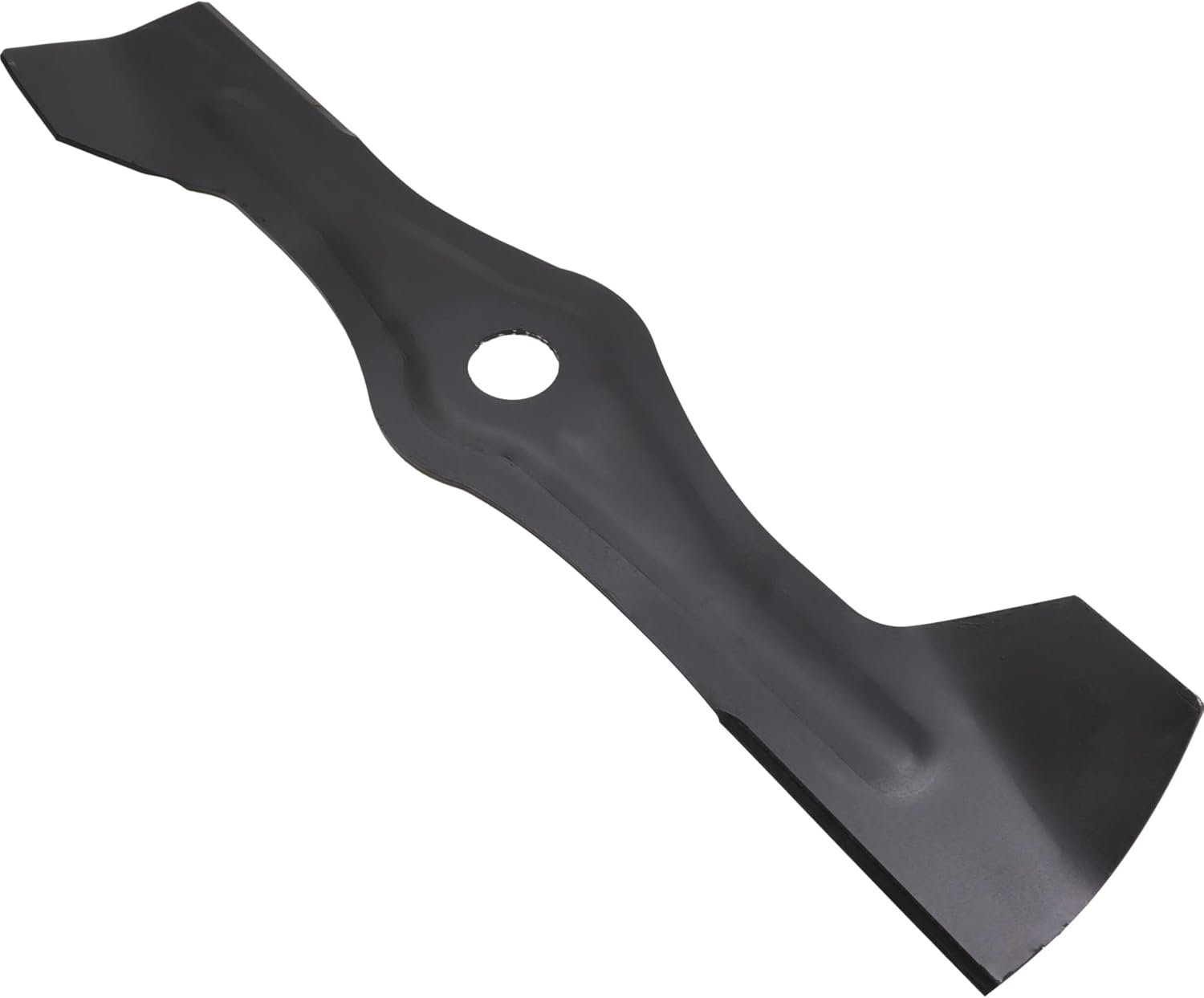
Weibang Lawn Mower Blade Manufacturers
About Boxing
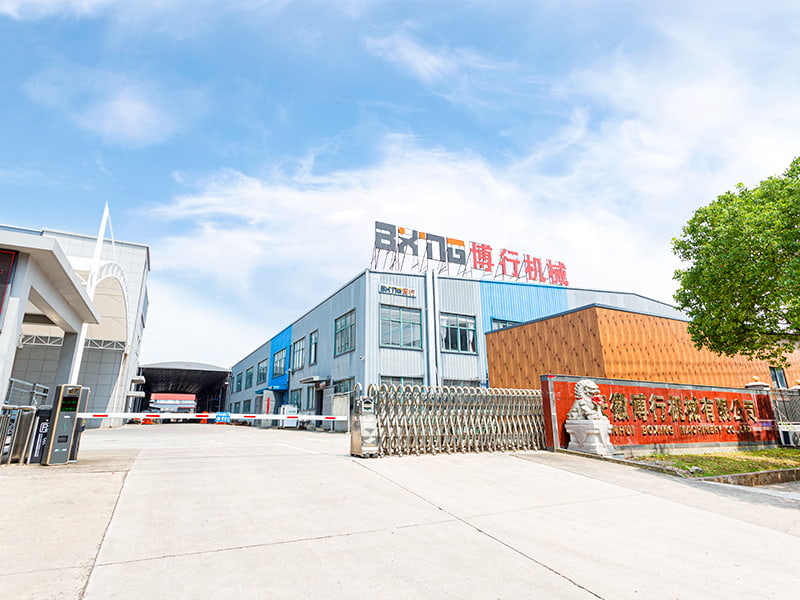
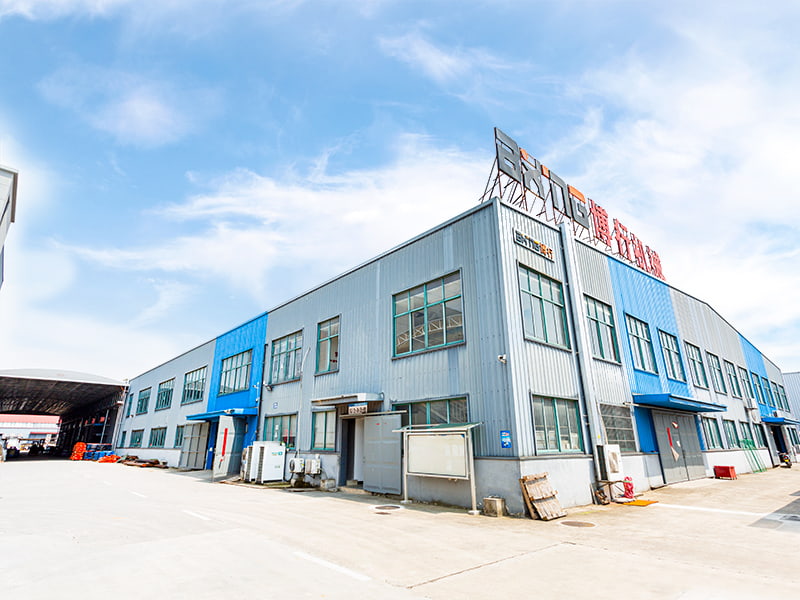
Anhui Boxing Machinery Co., LTD was founded in 2008.The company is located in North of Guo’an Road, Guangde economic development zone,Anhui province,mainly produces metal stamping parts and all kinds of garden tools.We are China Wholesale Weibang Lawn Mower Blade Manufacturers and OEM/ODM Weibang Lawn Mower Blade Company.
In the pursuit of the ultimate goal that green mountains and clear waters are invaluable assets and constantly adapt to the new demands of the market, the company began to enter the garden machinery industry since 2013.we are specializing in the manufacture and produce all kinds of garden tools and accessories, the main hedge machine blade, cutting machine blade, tea picking machine blade and other related products. We select high-quality materials with different heat treatment processes and create each tool carefully.
After countless times of grinding and testing to ensure that they are not only sharp and durable but also lightweight and comfortable.
After more than 10 years of development, the company has a strong technical reserve and strong production capacity. In the fierce market competition, the company has been relying on excellent product quality, reasonable product prices and constantly improves the product process to strengthen the ability of professional production. We put the benefits to customers and achieve excellence. Our products open the domestic market. At the same time, the garden machinery which provided by us has been exported to Europe , the United States and won the trust with praise of customers.
We provide professional after-sales service to ensure that customers have a worry-free experience in the process of buying and using Blades.
At the same time, we also provide personalized services so that the Blades accompany you to spend every morning and evening and will become a part of your life, witness your growth and change.
We will carve an exclusive nameplate for each knife, engraved with your name or special logo so that it will continue the emotion in your life, inherit the story.
Adhering to the development and business model of ‘quality first, customer demands first, do great things,for great love’, we welcome manufacturers from all over the world to contact us .Looking forward to cooperating with you as soon as possible!
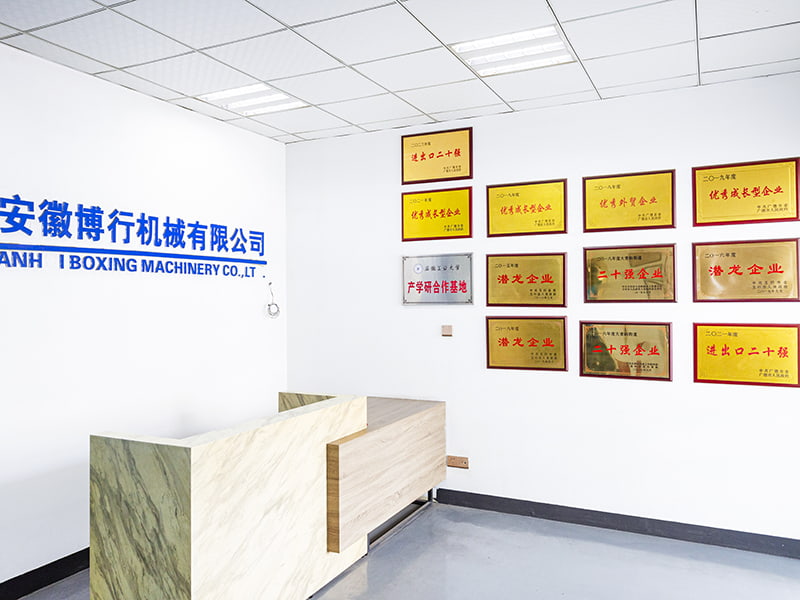
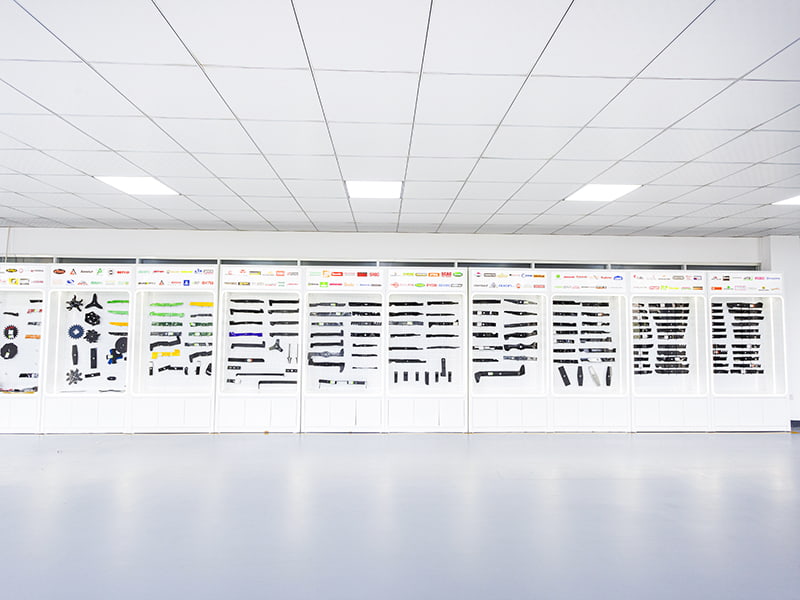
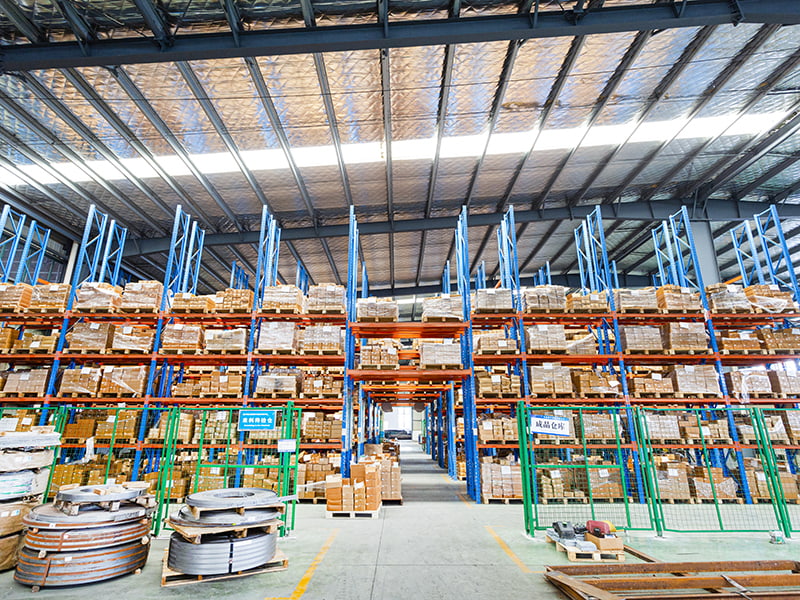
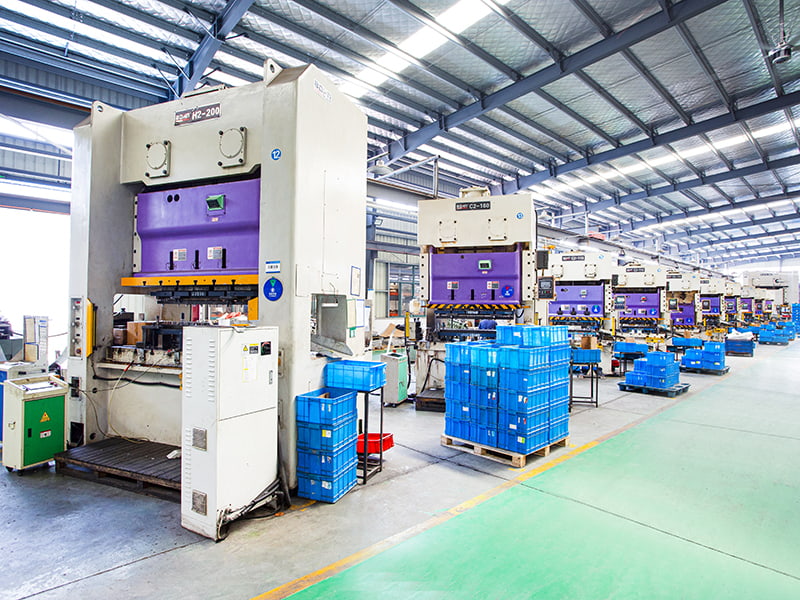
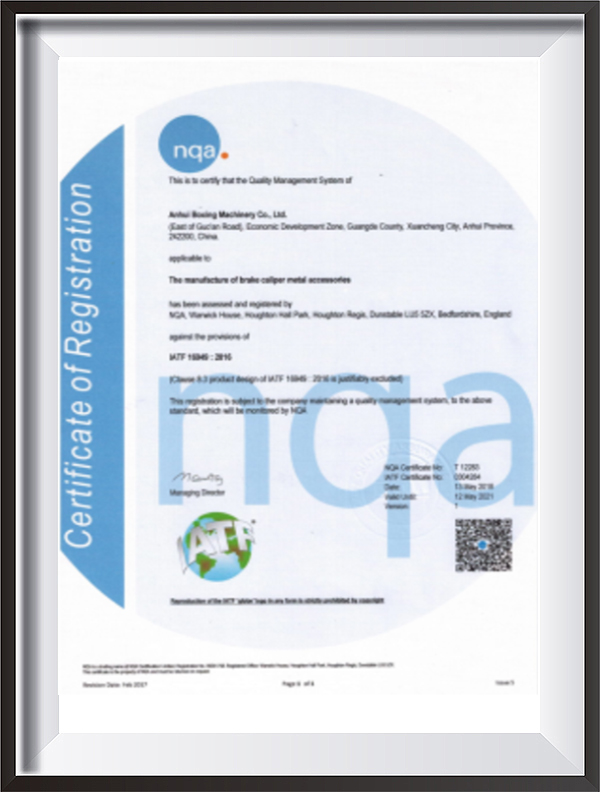
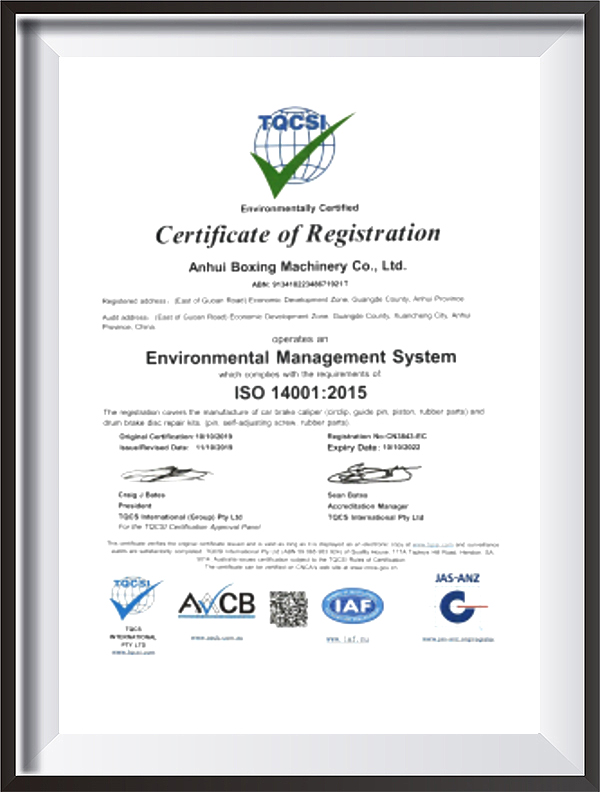
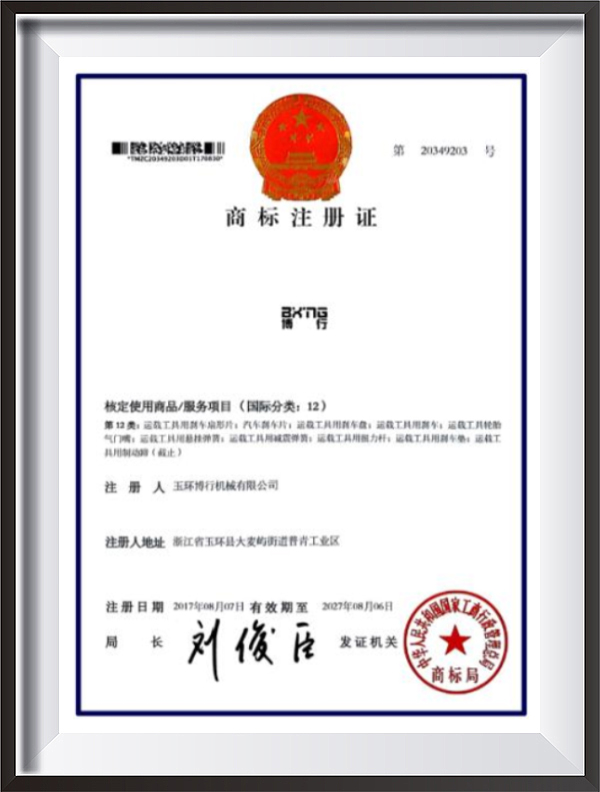
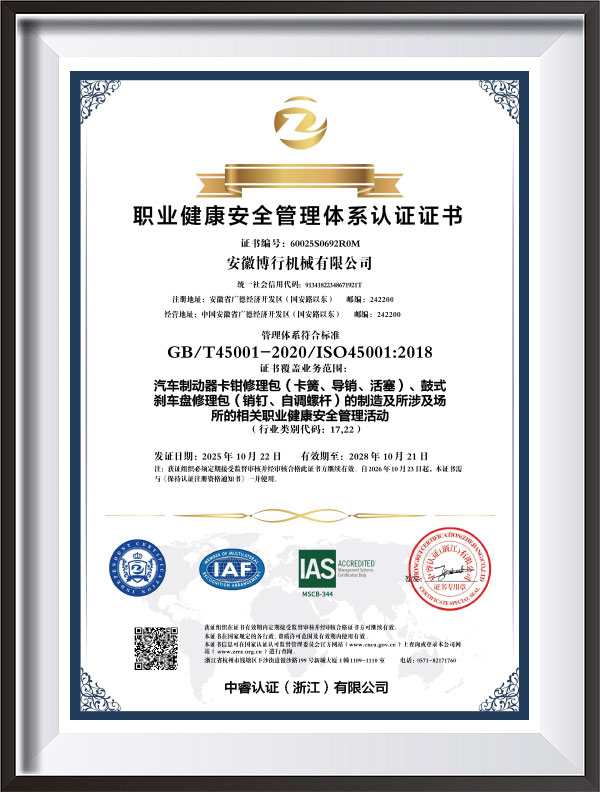
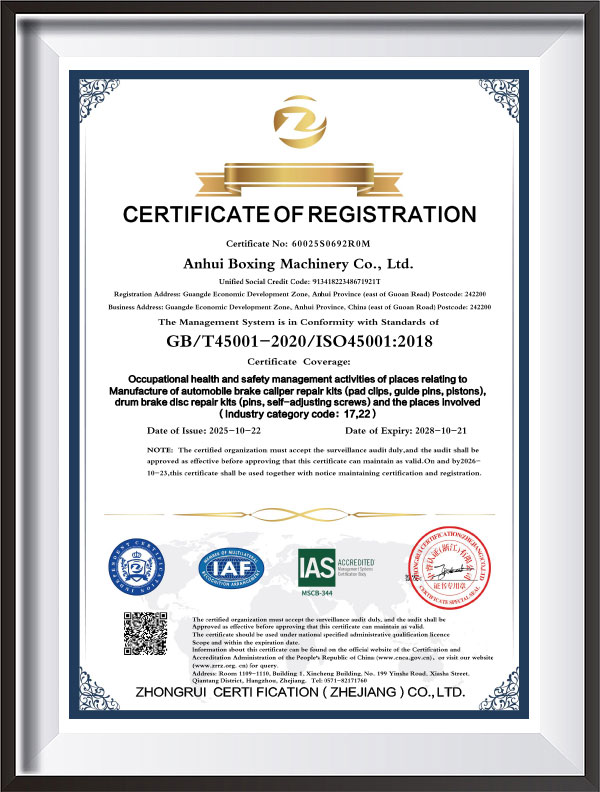
Certificate of Honor
Latest Updates
Industry knowledge
The Professional's Guide to Weibang Mower Blades: Engineering, Performance, and Global Application
In the realm of premium garden and landscaping equipment, Weibang Mower Blades are engineered to meet the exacting standards of durability and cutting performance demanded by professional-grade machinery. The quality and reliability of these critical consumable parts are directly tied to the expertise of their manufacturer. Companies like Anhui Boxing Machinery Co., Ltd., with over 19 years of specialized experience, exemplify the industrial-grade manufacturing required. By fully integrating the processes of mold design, precision stamping, specialized heat treatment, and edge grinding, such manufacturers can achieve the stringent quality control necessary to produce over 10 million blades annually. This capability ensures that Weibang blades deliver consistent performance across a diverse range of demanding applications, from agriculture to landscaping, and are trusted by professionals in more than 30 countries worldwide.
Engineered for Premium Equipment: The Science Behind Weibang Blades
The performance of a Weibang mower blade is a direct result of precise material selection and advanced metallurgical processes. It is designed not just to cut, but to endure.
- Premium Steel Selection: Blades are typically crafted from high-carbon steels (like 65Mn or SK5), chosen for their optimal balance of hardness, which allows for a sharp edge, and inherent toughness to resist cracking.
- Precision Heat Treatment: This is the most critical phase. The steel undergoes controlled quenching and tempering to achieve a specific, uniform hardness range (commonly HRC 50-58). This process transforms the microstructure of the metal, creating a blade that holds its edge through extended use while maintaining enough flexibility to withstand impact.
- Integrated Manufacturing Advantage: The ability of a manufacturer to control the entire process—from the initial stamped form to the final heat-treated state—ensures consistency in these material properties across every single blade, a key factor for OEM-level quality.
Built for the World: Adapting to Global Climates and Conditions
Professional equipment operates in diverse environments. A blade that performs well in one region may fail prematurely in another due to corrosion, abrasion, or thermal stress.
| Environmental Challenge | Engineering Solution | Technical Parameter Example |
| High Humidity & Salt (Coastal Regions) | Application of advanced anti-corrosion coatings such as zinc plating or Dacromet. | Salt spray test resistance exceeding 72 hours to prevent red rust. |
| Abrasive Conditions (Sandy Soil, Dust) | Optimization of heat treatment for maximum wear resistance and use of hardened steel grades. | Enhanced surface hardness and controlled microstructure to resist abrasive particle wear. |
| Extreme Temperature Variations | Material selection and treatment focused on dimensional stability and fatigue resistance. | Testing across a defined operational temperature range (e.g., -20°C to 50°C). |
A manufacturer with a global export footprint actively designs and tests products to meet these varied challenges, ensuring reliability whether the blade is used in Europe, the Americas, or Southeast Asia.
The Hallmarks of Industrial-Grade Durability: Fatigue Strength and Dynamic Balance
For commercial use, durability isn't just about edge sharpness; it's about structural integrity over thousands of hours of operation. Two factors are paramount:
- Fatigue Strength: A blade rotates under load millions of times, creating cyclical stress. High-quality blades are engineered with a high fatigue limit, meaning they can endure these stresses without developing microfractures that lead to catastrophic failure. This is achieved through clean steel composition, precise heat treatment, and smooth surface finishes that minimize stress concentrators.
- Dynamic Balance: An imbalanced blade creates destructive vibration. Industrial-grade blades are balanced to exacting standards (e.g., G6.3 grade). This precision protects the mower's spindle bearings, reduces operator fatigue, and ensures a clean, even cut. Mass production at scales of millions of units requires sophisticated systems to maintain this balance consistently.
Beyond Standard Replacement: The ODM Opportunity for Enhanced Performance
Collaboration with an ODM (Original Design Manufacturer) allows equipment brands to move beyond simple replacement parts to creating optimized, differentiated solutions.
| Collaboration Focus | Customization Potential | Value for the Weibang Ecosystem |
| Geometry & Design | Optimizing lift angle, wing design, or weight reduction features for specific cutting conditions or improved mulching. | Enhanced machine performance, better fuel efficiency, and a superior end-result for the customer. |
| Material & Coating Upgrade | Utilizing next-generation alloy steels or proprietary wear-resistant coatings to extend service life. | Reduced total cost of ownership for end-users through fewer change-outs and less downtime. |
| Brand & Service Differentiation | Developing unique blade lines with custom packaging, labeling, or performance guarantees. | Stronger brand loyalty and a competitive edge in the marketplace for dealers and the OEM itself. |
Optimizing Operations: A Cost-Based Analysis for Professional Users
For landscaping businesses and large-scale grounds maintenance operations, blade choice is a critical business decision impacting both performance and profitability.
- Total Cost of Ownership (TCO): The cheapest blade is often the most expensive. TCO analysis considers the purchase price plus the costs of labor for changes, machine downtime, and fuel efficiency. A premium, longer-lasting blade from a quality manufacturer typically offers a lower TCO.
- Efficiency Metrics: Key performance indicators like Mean Time Between Failure (MTBF) and cutting area per sharpening cycle help quantify value. A reliable supply chain from a high-capacity manufacturer ensures operational continuity and supports accurate inventory planning.
- Strategic Sourcing: Establishing a direct partnership with an industrial-grade OEM/ODM supplier like Anhui Boxing Machinery Co., Ltd. can provide cost stability, volume discounts, and access to technical support, turning a simple consumable purchase into a strategic efficiency gain.
Frequently Asked Questions (FAQ)
What is the main difference between a standard Weibang replacement blade and a premium or "commercial-grade" version?
The differences are typically found in the specifications that affect longevity and performance under stress:
- Material & Heat Treatment: Premium blades often use a superior steel grade and a more precisely controlled heat treatment process, resulting in higher, more uniform hardness (e.g., HRC 55-58 vs. HRC 50-54) for better edge retention.
- Construction & Balance: Commercial-grade blades place a greater emphasis on fatigue resistance and dynamic balance. They may have a more robust design at critical stress points and undergo more stringent balancing checks.
- Corrosion Protection: For professional use in all conditions, premium blades frequently feature more durable, industrial-grade coatings.
For occasional residential use, a standard blade may suffice. For daily commercial operation, the premium version's extended life and reliability justify the higher initial cost.
How can I tell if a Weibang mower blade is genuinely high-quality and not a counterfeit or sub-standard part?
Identifying quality involves checking several physical and performance attributes:
| Aspect to Inspect | Sign of Quality |
| Packaging & Markings | Clear, professional packaging with legible branding, part numbers, and often country of origin. The blade itself should be cleanly stamped with relevant codes. |
| Visual Finish | A consistent, even surface finish (coating or paint) without bubbles, runs, or thin spots. The cutting edge should be uniformly ground. |
| Weight & Balance | It should feel substantial for its size (indicating proper material density). When balanced on a nail through the center hole, it should not consistently tilt to one side. |
| Source of Purchase | Buy from authorized dealers or directly from reputable manufacturers/OEM partners. Extremely low prices from unknown sellers are a major red flag. |
The most reliable guarantee is purchasing from established suppliers integrated into the professional supply chain.
My Weibang mower vibrates excessively with new blades installed. What could be the cause?
Excessive vibration with new blades points directly to an imbalance or installation issue. Follow this diagnostic checklist:
- Correct Blade Model: First, double-check that the blade is the exact model specified for your mower. Even a slight difference in length or weight distribution can cause imbalance.
- Proper Installation: Ensure the blade is correctly seated on the spindle adapter (if used), the mounting hardware is clean and undamaged, and the blade bolt is torqued to the manufacturer's specification. A warped or damaged blade washer can also induce vibration.
- Underlying Deck/Spindle Issue: Remove the new blade and inspect the mower deck spindle for bent, worn bearings, or debris. Gently spin the spindle by hand; it should rotate smoothly without wobble. A problem here will cause vibration with any blade.
- Blade Defect: While less common from quality manufacturers, a new blade can be defective. If the above checks are fine, try a different, known-good blade to isolate the problem.
Is it worth sharpening Weibang commercial mower blades, or should I always replace them?
The decision hinges on cost, time, and the condition of the blade. Here's a breakdown:
| Action | Pros | Cons | Best For |
| Sharpening | Lower direct cost per service cycle. Preserves the original blade if it's of high quality. | Requires skilled labor, equipment, and time (machine downtime). Removes material, eventually altering balance and weakening the blade. Risk of overheating and ruining the temper. | Operations with skilled staff, lower blade costs, or when blades have minimal wear aside from a dull edge. |
| Replacement | Consistently perfect balance and geometry. Zero downtime for sharpening. Eliminates risk of poor sharpening. | Higher per-cycle material cost. Requires inventory management. | Most commercial operations where labor cost and machine uptime are critical. When blades are chipped, cracked, or heavily worn. |
Many successful commercial fleets use a hybrid model: replace blades during the busy season for maximum uptime and sharpen a set of spares during slower periods.
What are the key advantages for a dealer in sourcing Weibang blades directly from an OEM/ODM manufacturer?
Sourcing directly from a manufacturer like Anhui Boxing Machinery Co., Ltd. offers strategic benefits that go beyond simple procurement:
- Supply Chain Security & Cost: Eliminating middlemen reduces costs and protects against market shortages. Direct communication ensures more reliable lead times and bulk pricing advantages.
- Product Customization & Exclusivity: ODM capabilities allow for the development of a dealer's own "professional series" blade with custom features or branding, creating a unique selling proposition and higher margins.
- Technical Support & Partnership: Direct access to factory engineers provides faster resolution of technical queries and the potential to collaborate on products tailored for your specific customer base or regional challenges.
- Brand Building: Associating your dealership directly with a reputable, industrial-grade manufacturer enhances your reputation as a serious professional supplier, not just a retailer.
Contact Us And Get A Quote
Priority To Learn About Our New Products
 Add: North of Guo'an Road, Economic Development Zone, Guangde County, Anhui,China
Mob: +86-13967663706
E-mail: [email protected]
Add: North of Guo'an Road, Economic Development Zone, Guangde County, Anhui,China
Mob: +86-13967663706
E-mail: [email protected]
Copyright © 2025 Anhui Boxing Machinery Co., Ltd All Rights Reserved.Wholesale Weibang Lawn Mower Blade Manufacturers
