

 English
 русский
 中文简体
中文简体 Español

How to Properly Install and Maintain AYP High Lift Mulch Blades for Peak Performance
May 28, 2026
Proper Installation and Maintenance Directly Improve Cutting Performance
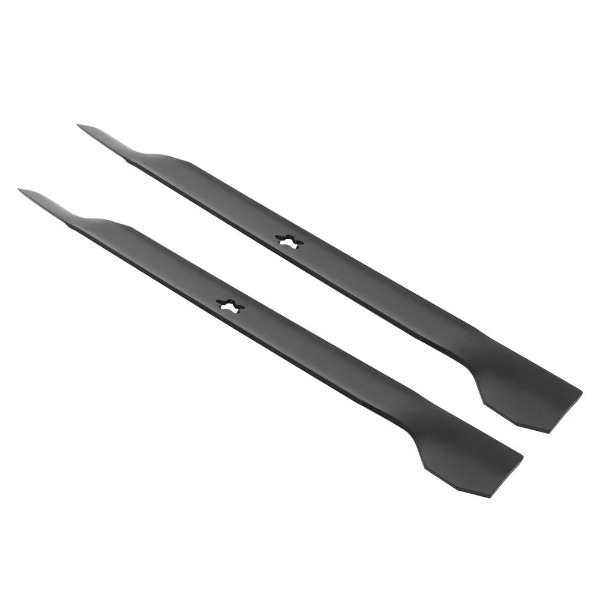
The way to keep an AYP high lift mulch blade performing at its peak is to install it in the correct orientation, torque it securely, and inspect it after every 20–25 mowing hours. Proper maintenance reduces vibration, improves airflow, delivers cleaner mulching, and extends blade life significantly. Incorrect installation often causes uneven cuts, poor grass discharge, and unnecessary strain on mower components.
Routine sharpening and balance checks also help preserve cutting precision. A sharp blade can reduce grass tearing by up to 30% compared to a dull edge, helping maintain healthier turf and reducing post-mow discoloration.
Prepare the Blade and Mower Before Installation
Preparation ensures proper fitment and prevents installation errors. Before mounting the blade, disconnect the spark source and position the mower securely on a stable surface.
Inspect the Blade Mounting Area
- Remove debris or hardened grass buildup
- Check spindle housing for cracks or wear
- Inspect washers and bolts for thread damage
- Verify spindle alignment
Check Blade Condition
Ensure the blade edge is straight and free from chips deeper than 3–5 mm. Bent or heavily worn blades should not be reused, as they create airflow imbalance and inconsistent mulching.
Install the Blade in the Correct Orientation
High lift mulch blades rely on carefully engineered airflow geometry. Installing the blade upside down reduces suction and dramatically lowers cutting efficiency.
| Installation Checkpoint | Correct Setup |
|---|---|
| Lift Wing Direction | Faces upward toward mower deck |
| Cutting Edge Direction | Rotates into grass path |
| Center Fit | Flush against spindle mount |
| Bolt Tightness | Firmly torqued to specification |
After tightening, manually rotate the blade to confirm smooth movement and proper clearance.
Sharpen Regularly for Cleaner Mulching Results
A sharp edge produces finer clippings and stronger lift airflow. Dull blades tear grass rather than slice it, reducing mulching quality and stressing turf health.
Recommended Sharpening Frequency
- Light residential use: every 25 mowing hours
- Heavy seasonal use: every 15–20 hours
- After impact with rocks or roots: inspect immediately
Maintain the original bevel angle and avoid excessive grinding. Overheating during sharpening can weaken metal hardness and shorten blade life.
Balance the Blade After Every Sharpening
Even slight imbalance can generate vibration that accelerates spindle wear and causes uneven cutting patterns.
A properly balanced blade should remain level when suspended on a balancing tool. If one side dips consistently, remove small amounts of material until balance is restored.
Balanced blades can reduce spindle stress by up to 20%, extending deck component lifespan and improving mowing smoothness.
Inspect for Wear and Replace When Necessary
Even with proper care, blade edges gradually lose efficiency. Replace the blade if you notice:
- Rounded cutting edges that no longer sharpen well
- Visible cracks or stress lines
- Bent lift wings
- Noticeable vibration during operation
Replacing worn blades at the right time ensures consistent mulching airflow and prevents secondary damage to mower hardware.
Consistent Maintenance Delivers Peak Performance
Peak mowing results come from disciplined maintenance. When installed correctly and serviced routinely, an AYP high lift mulch blade delivers stronger grass lift, cleaner cuts, finer mulch distribution, and longer service life. Simple inspections, sharpening, and balancing routines make a measurable difference in mowing efficiency and lawn appearance.
Contact Us And Get A Quote
Priority To Learn About Our New Products
 Add: North of Guo'an Road, Economic Development Zone, Guangde County, Anhui,China
Mob: +86-13967663706
E-mail: [email protected]
Add: North of Guo'an Road, Economic Development Zone, Guangde County, Anhui,China
Mob: +86-13967663706
E-mail: [email protected]
Copyright © 2025 Anhui Boxing Machinery Co., Ltd All Rights Reserved.China Custom Industrial-Grade Mower Blades Manufacturers
